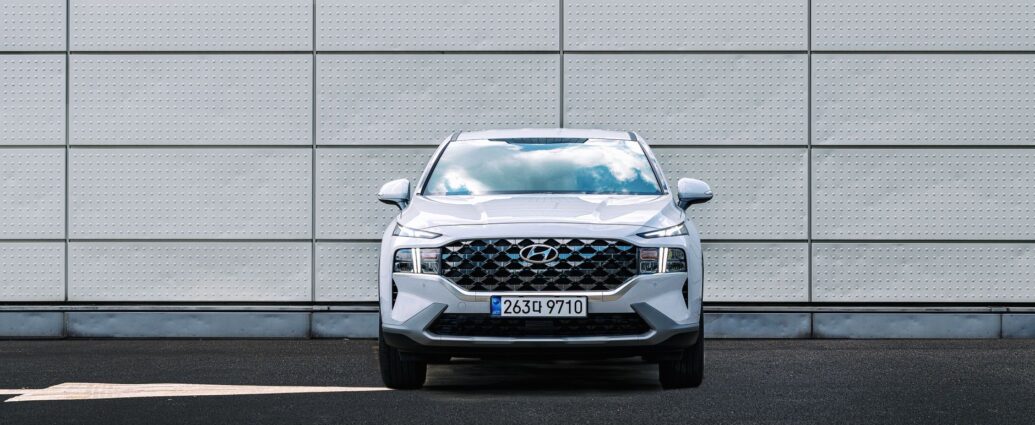
Hyundai Bayon design sketches have been unveiled, highlighting the vehicle’s unique features and aesthetics ahead of its anticipated launch in India.
Overview of the Hyundai Bayon
The Hyundai Bayon design has captured the attention of automotive enthusiasts ahead of its much-anticipated launch in India. With its sleek and modern aesthetic, the Bayon aims to redefine the compact SUV segment.
One of the standout features of the Bayon is its distinctive front fascia, which includes:
- Narrow LED headlights that give the vehicle a sharp and aggressive look.
- Bold grille that enhances its road presence.
- Dynamic character lines that contribute to its sporty profile.
The side view showcases an elegant silhouette, accentuated by striking alloy wheels and a sloping roofline. These design elements not only enhance the vehicle’s visual appeal but also improve aerodynamics.
At the rear, the Hyundai Bayon features LED taillights that wrap around the edges, creating a cohesive design that ties the vehicle together. Additionally, the rear bumper has been sculpted to provide a rugged and robust appearance.
Overall, the Hyundai Bayon design reflects a perfect blend of functionality and style, making it an exciting option for those in the market for a compact SUV.
Key design features of the Bayon
The Hyundai Bayon design showcases a blend of modern aesthetics and functionality, appealing to a wide range of drivers. Here are some key design features that set the Bayon apart:
- Bold Front Grille: The prominent front grille gives the Bayon an assertive look, enhanced by sharp LED headlights that add a touch of sophistication.
- Sculpted Body Lines: The exterior is characterized by dynamic body lines, contributing to a sporty profile that stands out on the road.
- Compact Size: Designed for urban environments, the compact dimensions of the Bayon make it easy to maneuver while still providing ample interior space.
- Distinctive Rear Design: The rear of the Bayon features unique taillights that wrap around, creating a signature look that is both stylish and functional.
- Functional Roof Rails: Practical roof rails not only enhance the vehicle’s sporty appeal but also offer added versatility for carrying extra cargo.
Overall, the Hyundai Bayon design is a testament to the brand’s commitment to innovation and style, ensuring that it meets the needs of modern drivers while remaining visually striking.
Hyundai’s design philosophy
Hyundai’s design philosophy continues to evolve, showcasing a commitment to innovation and aesthetics. The upcoming Hyundai Bayon design is a testament to the brand’s ability to blend functionality with contemporary styling. This compact SUV is set to appeal to a diverse audience, particularly urban drivers seeking a vehicle that stands out in both form and function.
The design approach for the Hyundai Bayon emphasizes several key elements:
- Fluidic Sculpture: The Bayon embodies Hyundai’s signature fluidic design language, characterized by dynamic curves and smooth surfaces that create a sense of motion even when stationary.
- Bold Front Fascia: Its striking front end features sharp LED headlights and a prominent grille, giving the Bayon a confident and modern face that commands attention on the road.
- Sporty Profile: The vehicle’s silhouette is sporty yet practical, with a sloping roofline that enhances aerodynamics while maximizing interior space.
- Color Palette: Hyundai offers a vibrant selection of colors for the Bayon, allowing customers to express their individuality.
As the launch approaches, the Hyundai Bayon design is poised to make a significant impact in the competitive compact SUV market.
What to expect at the launch
As the launch date of the Hyundai Bayon approaches, enthusiasts and potential buyers are eagerly anticipating what the final production model will offer. The sketches released by Hyundai provide a glimpse into the innovative design elements that set the Bayon apart in the compact SUV segment.
During the launch event, attendees can expect Hyundai to elaborate on the following aspects:
- Exterior Design: The Bayon features a bold and dynamic silhouette, characterized by sharp lines and a distinctive front fascia that aligns with Hyundai’s modern design language.
- Interior Layout: Inside, the Bayon promises a spacious and tech-savvy cabin, with an emphasis on comfort and user-friendly technology.
- Sustainability Initiatives: Hyundai is likely to highlight their commitment to sustainability, showcasing eco-friendly materials used in the Bayon’s construction.
- Performance Insights: Details regarding engine options and performance metrics will be shared, emphasizing how the Bayon balances efficiency with driving enjoyment.
The sketches reveal a vehicle that encapsulates Hyundai’s dedication to innovation and aesthetic appeal, leaving many excited for the official unveiling of the Hyundai Bayon design.
Comparing Bayon with competitors
As the launch of the Hyundai Bayon approaches, comparisons with its competitors are becoming increasingly relevant. The Bayon’s design stands out in a crowded market, particularly when measured against rivals like the Skoda Kamiq and Volkswagen T-Cross.
The Hyundai Bayon design features a bold front fascia, characterized by its sleek headlights and a distinctive cascading grille. This design choice not only enhances aesthetics but also improves aerodynamics, setting it apart from the more traditional designs of its competitors.
In contrast, the Skoda Kamiq offers a more conservative look, focusing on functionality rather than flair. Its boxier shape provides ample interior space but lacks the sporty appeal found in the Bayon. Similarly, the Volkswagen T-Cross, while stylish, tends to follow a more conventional design language that may not resonate with younger buyers seeking innovative aesthetics.
When evaluating the Bayon against these competitors, it’s clear that Hyundai’s emphasis on modern design elements and vibrant color options positions the Bayon as a fresh alternative in the segment. As consumers become more design-conscious, the Hyundai Bayon design is likely to attract attention and could sway potential buyers looking for something unique.
Photo by Hyundai Motor Group on Pexels