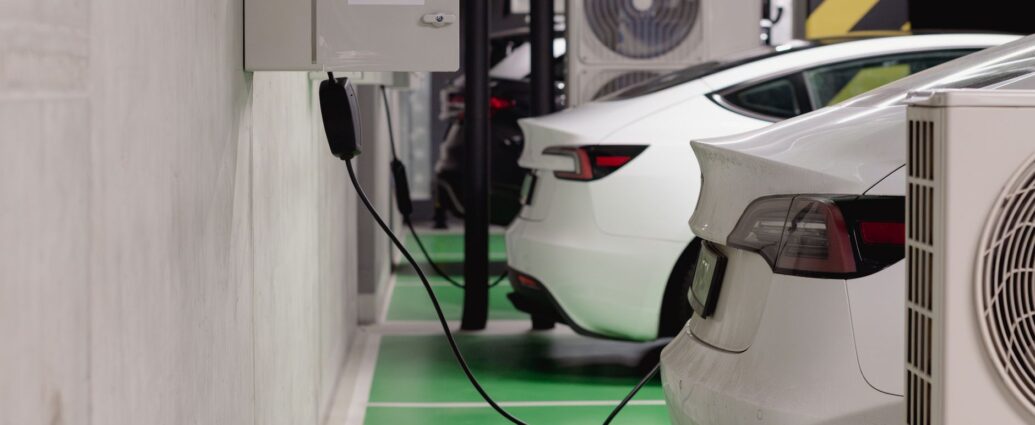
Reliable charging facilities are vital for the EV revolution in India. As electric vehicles gain popularity, the need for dependable charging infrastructure becomes increasingly important.
The Importance of Charging Infrastructure
The transition to electric vehicles (EVs) represents a significant shift in the automotive industry, and the success of this movement hinges on the availability of reliable charging facilities. As more consumers consider making the switch to EVs, the adequacy and accessibility of charging stations become paramount.
Many potential EV owners experience range anxiety, a concern stemming from the fear of running out of battery power without access to charging options. To alleviate this worry, a robust network of charging infrastructure is essential. A well-established charging ecosystem can provide drivers with the confidence that they can recharge their vehicles conveniently and efficiently.
Moreover, reliable charging facilities can significantly influence the adoption rate of electric vehicles. A comprehensive charging network not only enhances the user experience but also promotes the growth of the EV market. As more charging stations are installed in urban areas, highways, and rural locations, consumers will feel more empowered to invest in EV technology.
In conclusion, the success of the EV revolution in India and beyond heavily relies on developing and maintaining reliable charging facilities that cater to the needs of all electric vehicle users.
Current State of EV Charging in India
The current state of electric vehicle (EV) charging in India presents both challenges and opportunities. As the nation aims to increase the adoption of EVs, the availability of reliable charging facilities remains a significant hurdle. While the government has initiated various programs to promote EV usage, the infrastructure required to support this shift is still underdeveloped.
Many urban areas are witnessing the establishment of charging stations, but the distribution is uneven, with rural regions lacking adequate access. This disparity creates a barrier for potential EV users, who may hesitate to transition from traditional vehicles due to concerns over charging availability.
Key factors contributing to the current situation include:
- Insufficient Charging Points: The number of charging stations is far below the demand, leading to long wait times and uncertainty for EV owners.
- Inconsistent Charging Standards: Different charging technologies and standards can confuse users, further complicating the charging experience.
- Lack of Awareness: Many consumers are unaware of the existing charging facilities, which limits their willingness to adopt EVs.
Addressing these issues is essential for fostering a sustainable EV ecosystem in India, making reliable charging facilities crucial for the sector’s success.
Challenges Facing EV Growth
The growth of electric vehicles (EVs) in India faces several challenges, primarily due to the inadequate availability of reliable charging facilities. While the demand for EVs continues to rise, the lack of a robust charging infrastructure hampers consumer confidence and adoption rates.
Among the key challenges are:
- Insufficient Charging Stations: There is a significant shortage of charging points in both urban and rural areas, making it difficult for EV owners to find convenient locations to charge their vehicles.
- Long Charging Times: Many available charging stations are slow chargers, which can take several hours to fully charge an EV, deterring potential users.
- Inconsistent Charging Standards: Different EV models often require different types of chargers, leading to confusion and compatibility issues for consumers.
- High Installation Costs: The initial investment in establishing reliable charging facilities can be prohibitively expensive for businesses, limiting the expansion of the network.
These barriers must be addressed to create a supportive environment for EV growth. Without reliable charging facilities, the transition to electric mobility may stall, undermining efforts to reduce carbon emissions and promote sustainable transportation solutions.
Future Prospects for EV Charging Facilities
The future of electric vehicles (EVs) in India largely hinges on the development of reliable charging facilities. As the market for EVs continues to expand, the need for accessible and efficient charging solutions becomes increasingly critical.
Industry experts predict several key trends that could shape the future of charging infrastructure:
- Increased Investment: Both public and private sectors are recognizing the importance of investing in charging stations, leading to a more robust network.
- Technological Advancements: Innovations in fast-charging technology will make it possible for EVs to recharge in a fraction of the time it currently takes.
- Integration with Renewable Energy: The future may see charging facilities powered by solar and wind energy, further promoting sustainability.
- Smart Charging Solutions: With the advent of smart grids, charging stations could offer dynamic pricing and better energy management.
As these prospects unfold, the establishment of reliable charging facilities will be pivotal in overcoming the existing challenges and ensuring the widespread adoption of electric vehicles across the nation. Stakeholders must collaborate on creating a user-friendly and efficient charging ecosystem to drive the EV revolution forward.
Photo by Jakub Zerdzicki on Pexels
Where this came from
Related stories
Rising Oil Prices: The Smart Way to Navigate Market Changes · Tesla Roadster launch: Exciting news from Elon Musk · Tata Punch EV price: Is it worth the new cost increase?