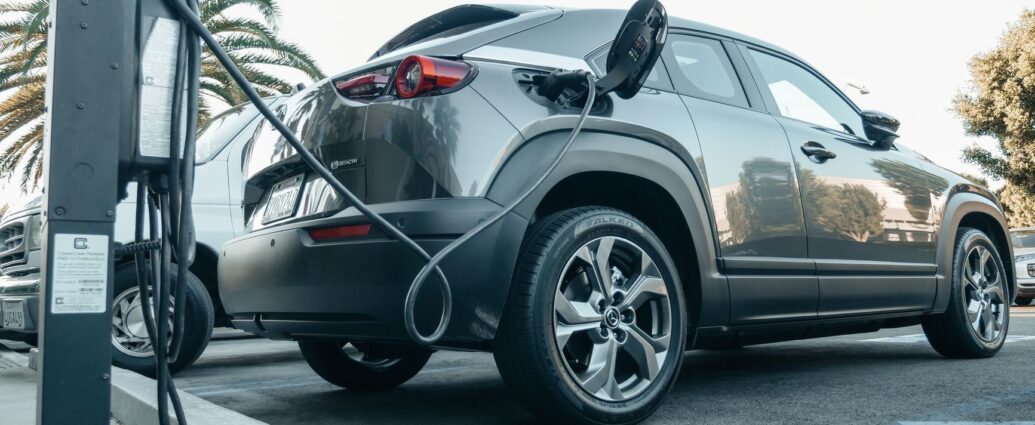
EV-friendly places are crucial for electric vehicle owners seeking convenient charging options. A recent study reveals the best and worst locations across the United States for EV infrastructure.
Overview of EV-Friendly Places
As electric vehicles (EVs) continue to gain popularity, understanding which locations are most accommodating to these eco-friendly modes of transportation is essential. A recent study has highlighted the best and worst places in the United States for EV owners, providing valuable insights into the landscape of EV-friendly places.
In the study, researchers evaluated various factors, including the availability of charging stations, local policies promoting EV adoption, and infrastructure support for electric vehicle users. The findings reveal a stark contrast between cities that actively embrace electric vehicles and those that lag behind.
Some of the most EV-friendly places boast extensive charging networks, incentives for EV purchases, and robust public transit options that integrate electric vehicles. Conversely, areas lacking in these resources may hinder the growth of EV adoption, leading to frustration for drivers.
According to the report, the top locations for EV owners not only prioritize charging accessibility but also demonstrate a commitment to sustainable practices. As the demand for electric vehicles rises, identifying EV-friendly places will become increasingly important for consumers and policymakers alike.
Top States for Electric Vehicles
The rise of electric vehicles (EVs) has transformed the automotive landscape, and certain states are leading the charge in becoming EV-friendly places. A recent study highlights the top states that have embraced the switch to electric, providing essential infrastructure and incentives for EV owners.
- California: Known for its progressive policies, California tops the list with a robust network of charging stations and generous tax credits for EV purchases.
- Washington: With a strong commitment to sustainability, Washington has implemented numerous programs supporting EV adoption, including rebates and public charging initiatives.
- New York: This state offers numerous incentives, including tax breaks and access to carpool lanes, making it an attractive option for electric vehicle owners.
- Oregon: Oregon’s commitment to clean energy and extensive charging infrastructure makes it a leading destination for EV drivers.
- Colorado: With its diverse landscape and growing EV market, Colorado provides a variety of options for eco-conscious drivers.
These states showcase how supportive policies and infrastructure can create truly EV-friendly places, paving the way for a greener future.
Challenges for EV Owners
As electric vehicle (EV) adoption continues to grow, challenges for EV owners remain prominent in various regions. While many areas are becoming known as EV-friendly places, others still lag behind in infrastructure and support.
One significant issue is the availability of charging stations. In many cities, the lack of public charging infrastructure makes it difficult for EV owners to find convenient locations to recharge. This can lead to range anxiety, a concern for many potential buyers considering making the switch to electric.
Additionally, some regions lack incentives for EV ownership, such as tax rebates and access to carpool lanes. Without these benefits, potential buyers may be discouraged from investing in electric vehicles, further hindering their growth in those areas.
Another challenge is the disparity in charging station accessibility. While urban areas may have ample options, rural locations often suffer from a scarcity of EV-friendly places, making long-distance travel problematic for EV owners.
In conclusion, while progress is being made, substantial efforts are still needed to address these challenges and ensure that all regions can become truly EV-friendly.
Future of Electric Vehicle Infrastructure
The future of electric vehicle infrastructure is poised for significant transformation as cities and states prioritize sustainability and the adoption of electric vehicles (EVs). With the increasing demand for EV-friendly places, governments are investing in charging stations and incentives to encourage residents to make the switch from traditional fuel vehicles.
According to recent studies, the development of urban planning that accommodates EVs is essential. Additionally, a broad network of charging stations will enable longer journeys and help alleviate range anxiety among potential electric vehicle owners. The push for renewable energy sources to power these stations is also gaining momentum, ensuring that the transition to electric mobility aligns with broader environmental goals.
As more businesses recognize the advantages of being located near EV-friendly places, we can expect to see a rise in partnerships between local governments and private sectors. This collaboration will not only enhance the convenience of charging infrastructure but also improve the overall appeal of cities as they become more sustainable.
In conclusion, the future looks bright for electric vehicle infrastructure, promising a world where driving an EV is both practical and accessible for everyone.
Photo by Kindel Media on Pexels