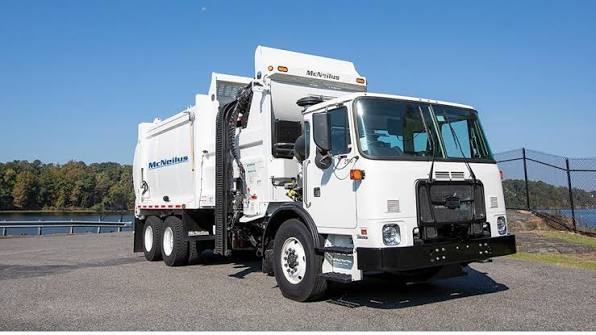
Modern waste collection depends on reliable equipment, organized routes, and effective fleet management. As residential areas expand and commercial waste volumes increase, municipalities and private waste management companies need vehicles capable of handling demanding daily workloads. McNeilus refuse trucks play a role in these operations by providing specialized vehicle configurations for different collection methods. Understanding how these trucks support modern waste management can help businesses choose suitable equipment, maintain service quality, and manage operating costs.
The Importance of Refuse Trucks in Modern Communities
Waste collection is an essential public service that helps maintain clean neighborhoods, commercial districts, and industrial areas. Without regular collection, accumulated waste can create sanitation concerns, attract pests, and interfere with everyday activities.
Refuse trucks transport collected material from homes, businesses, and public facilities to designated disposal or processing locations. Their capacity, loading systems, and reliability influence how efficiently collection crews complete their routes.
McNeilus refuse trucks are used in waste collection applications that require specialized bodies and loading mechanisms. The appropriate configuration depends on the collection program, container type, route conditions, and volume of waste handled each day.
Choosing the right vehicle allows waste management businesses to match their equipment to actual operating requirements rather than relying on a one-size-fits-all approach.
Different Collection Methods and Truck Configurations
Modern waste management operations use several collection methods. Front-loading trucks are commonly used for commercial dumpsters, rear-loading vehicles can support a variety of residential and commercial collection tasks, and automated side loaders work with compatible carts.
Each configuration offers different operational advantages. Commercial routes may require the ability to handle large containers, while residential routes may involve frequent stops and narrow streets. Automated collection can reduce manual handling when the appropriate containers and infrastructure are available.
Businesses evaluating a McNeilus rear loader should consider the vehicle’s body capacity, loading arrangement, route requirements, and compatibility with their existing collection procedures. The rear-loading configuration may be suitable for operations that need flexibility across different types of collection locations.
Before purchasing equipment, managers should compare the specifications of individual models and confirm that the selected truck meets the demands of their service area.
Improving Collection Efficiency
Efficient waste collection requires coordination between vehicles, drivers, collection crews, and disposal facilities. A well-matched refuse truck can help crews complete their assigned work without unnecessary delays.
Compaction systems reduce the volume of waste inside the truck body, allowing operators to make better use of available space. The actual amount collected depends on the waste material, vehicle configuration, and applicable payload restrictions.
Route planning also influences efficiency. Businesses can organize collection schedules according to customer locations, traffic conditions, disposal distances, and expected waste volumes. Reducing unnecessary mileage may help control fuel expenses and improve daily productivity.
Fleet managers should monitor collection completion rates, fuel consumption, downtime, and maintenance costs to understand how well their vehicles perform under real operating conditions.
Maintenance and Equipment Reliability
Modern refuse trucks operate under demanding conditions. Repeated loading cycles, frequent stops, exposure to moisture, and heavy workloads can contribute to wear across hydraulic systems, electrical components, and moving mechanisms.
Preventive maintenance helps identify developing problems before they interrupt collection schedules. Daily inspections should cover tires, brakes, lights, fluid levels, visible leaks, and other safety-related items. More detailed servicing should follow the applicable manufacturer’s recommendations.
Maintenance records allow fleet managers to track repairs, recognize recurring issues, and schedule work more effectively. Prompt investigation of unusual noises, warning indicators, or inconsistent loading performance can also prevent minor concerns from becoming more serious problems.
Access to compatible McNeilus rear loader components and other model-specific replacement parts is important when repairs are needed. Businesses should verify the exact truck configuration and component specifications before ordering replacements.
The Value of Parts and Technical Support
Parts availability can affect how quickly a refuse truck returns to service after a mechanical problem. Delays in obtaining the correct component may disrupt schedules, increase labor expenses, and require the temporary reassignment of other vehicles.
Fleet managers should establish relationships with suppliers that can explain compatibility, availability, warranty terms, and delivery expectations. They should also maintain accurate vehicle identification and service records to make the parts ordering process more efficient.
Ten-8 Industrial is a brand that businesses can investigate when researching refuse truck parts and related service support. Before selecting a provider, operators should confirm its current offerings, service coverage, and ability to support their specific McNeilus equipment.
A reliable maintenance plan combines qualified technicians, appropriate replacement components, and consistent inspections to support vehicle availability.
Safety and Environmental Considerations
Waste collection trucks operate near pedestrians, cyclists, parked vehicles, and other road users. Safe operating procedures are therefore essential for modern waste management businesses.
Drivers should receive training in vehicle inspections, reversing, loading procedures, visibility limitations, and safe operation of lifting mechanisms. Businesses should also ensure that required warning systems and safety equipment remain in good working condition.
Environmental considerations include fuel consumption, appropriate waste handling, fluid leak prevention, and compliance with applicable regulations. Regular servicing can help identify mechanical issues that may affect vehicle performance or lead to avoidable leaks.
Fleet managers should evaluate these factors when selecting vehicles and developing maintenance policies.
Planning for Long-Term Fleet Performance
A successful fleet strategy considers both current collection requirements and future operating needs. Businesses should assess vehicle age, mileage, repair history, route expansion plans, and expected waste volumes when deciding whether to maintain, replace, or add equipment.
The total cost of ownership includes purchase expenses, fuel, insurance, labor, repairs, replacement parts, and downtime. Reviewing these costs over time helps managers make more informed investment decisions.
Training employees, maintaining service records, and monitoring vehicle performance can further improve planning. These practices help businesses identify inefficient routes, recurring faults, and opportunities to reduce operating expenses.
Conclusion
McNeilus refuse trucks support modern waste collection through specialized configurations designed for different residential, commercial, and municipal applications. Choosing the right vehicle, planning efficient routes, and maintaining essential systems are important steps toward reliable service.
Businesses should also plan for replacement components, verify supplier capabilities, and establish consistent maintenance procedures. By evaluating equipment requirements and researching support options such as Ten-8 Industrial, fleet managers can make better-informed decisions and support the long-term performance of their waste collection operations.