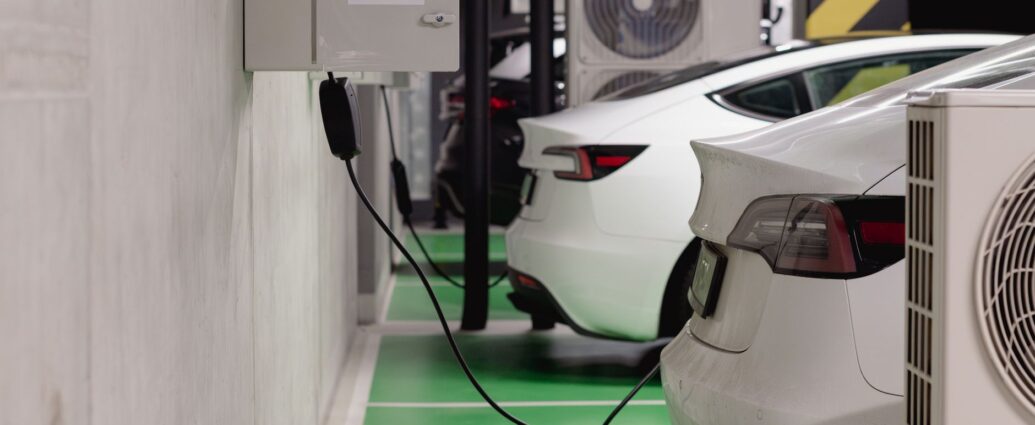
Oakville electric vehicle charging network will not be expanding further after a recent council vote. This decision has raised concerns among local EV users and advocates for sustainable transportation.
Overview of Oakville’s Charging Network
The recent council vote has significant implications for the Oakville electric vehicle charging network, which currently serves a growing number of residents and visitors. Despite an increasing demand for electric vehicle charging stations, the decision to halt expansion reflects a complex interplay of budgetary constraints and community priorities.
Currently, the network consists of several charging stations strategically located throughout the town, designed to accommodate both local and regional electric vehicle users. These stations have become essential as more drivers transition to electric vehicles, seeking convenient and accessible charging options.
However, the council’s decision has raised concerns among advocates for sustainable transportation. The following points highlight the key issues surrounding the vote:
- Budgetary Limitations: Financial constraints have led to prioritizing other municipal projects.
- Community Feedback: Some residents expressed differing views on the necessity of expanding the network.
- Future Considerations: The council has indicated that they may revisit the topic in the future as demand continues to grow.
Impact of the Council Vote
The recent council vote has significant implications for Oakville’s electric vehicle charging network. With the decision to halt further expansion, residents and local businesses are left grappling with the potential impact on electric vehicle adoption in the area.
Several factors contribute to the concerns raised:
- Accessibility: The limited number of charging stations may deter potential electric vehicle owners, making it challenging for residents to transition to greener alternatives.
- Environmental Goals: Oakville has set ambitious sustainability targets, and the lack of a robust charging network could hinder progress towards reducing carbon emissions.
- Economic Considerations: Businesses hoping to capitalize on the growing electric vehicle market may face obstacles without the necessary infrastructure to support their customers.
Community leaders and environmental advocates are urging the council to reconsider its stance on the Oakville electric vehicle charging network. They argue that investing in infrastructure is crucial for fostering a sustainable future and promoting the use of electric vehicles throughout the region.
Community Reactions to the Decision
Residents of Oakville have expressed mixed reactions following the recent council vote on the expansion of the town’s electric vehicle charging network. While some community members support the decision, believing it reflects fiscal responsibility, others are disappointed by the lack of growth in infrastructure for electric vehicles.
- Support for the Decision: Proponents argue that maintaining the current network ensures funds are allocated to other pressing community needs, such as road repairs and public transit.
- Concerns Over Accessibility: Critics warn that the limited availability of charging stations could discourage residents from transitioning to electric vehicles, undermining local sustainability goals.
- Call for Future Planning: Many advocates are urging the council to reconsider its stance in future discussions, emphasizing the importance of a robust charging network to support Oakville’s commitment to reducing carbon emissions.
As the community grapples with these divergent views, the conversation around Oakville’s electric vehicle charging network continues to evolve, highlighting the balance between fiscal responsibility and environmental sustainability.
Future of Electric Vehicle Infrastructure
The future of electric vehicle infrastructure in Oakville is uncertain following the recent council vote. With the decision to halt the expansion of the Oakville electric vehicle charging network, many residents and stakeholders are concerned about the implications for sustainable transportation in the area.
As more individuals turn to electric vehicles, the need for accessible charging stations becomes increasingly critical. The existing network has provided a foundation, but without further development, it risks becoming insufficient to meet future demands. Key points of concern include:
- Accessibility: Limited charging options may deter potential electric vehicle owners.
- Environmental Impact: A robust charging network is vital for reducing carbon emissions and promoting cleaner air.
- Economic Growth: The absence of expansion could impact local businesses that depend on electric vehicle users.
Ultimately, the decision raises questions about Oakville’s commitment to fostering a green and sustainable future. Community advocacy will be crucial in addressing these challenges and pushing for better infrastructure.
Comparative Analysis with Other Municipalities
The decision regarding Oakville’s electric vehicle charging network stands in contrast to approaches taken by other municipalities. While Oakville has chosen to halt expansion plans, cities like Toronto and Vancouver are actively investing in their charging infrastructure. These municipalities have recognized the importance of supporting electric vehicle adoption through accessible charging options.
In Toronto, the city has implemented a strategy that includes rapid charging stations and partnerships with private companies to enhance availability. Similarly, Vancouver’s commitment to sustainability has led to a significant increase in charging points over the past few years. This proactive approach has resulted in a robust network that encourages residents to shift towards electric vehicles.
Furthermore, studies show that municipalities with comprehensive charging networks experience higher rates of electric vehicle ownership. In contrast, Oakville’s decision may hinder the growth of local electric vehicle adoption, as potential users might find the lack of charging options a significant barrier. The comparative analysis highlights the potential long-term consequences of Oakville’s current stance on electric vehicle infrastructure.
Challenges for EV Adoption
The vote to halt the expansion of Oakville’s electric vehicle charging network has raised significant challenges for the community. As more residents consider switching to electric vehicles, the lack of accessible charging options could hinder this transition, which is vital for reducing carbon emissions and promoting sustainable transportation.
Key issues surrounding the decision include:
- Infrastructure Limitations: Without additional charging stations, many potential EV owners may feel discouraged from making the switch.
- Increased Demand: As electric vehicle sales continue to rise, the existing network may struggle to meet the needs of current users.
- Public Awareness: Many residents remain unaware of the benefits of electric vehicles, and the limited charging infrastructure only exacerbates this knowledge gap.
- Environmental Goals: The decision contradicts Oakville’s broader objectives aimed at reducing greenhouse gas emissions and promoting eco-friendly transportation solutions.
These challenges underline the importance of maintaining a robust Oakville electric vehicle charging network to foster a greener future.
Next Steps for Oakville Residents
As Oakville residents come to terms with the recent council decision regarding the electric vehicle charging network, many are left contemplating the next steps for sustainable transportation in the area. The council’s vote has raised concerns about the future accessibility of electric vehicle charging, which is vital for promoting EV adoption among residents.
In light of this decision, residents are encouraged to consider several actions:
- Advocacy: Engage with local elected officials to express concerns and seek further investment in the Oakville electric vehicle charging infrastructure.
- Community Initiatives: Form or join local groups focused on sustainability to advocate for improved charging options.
- Education: Increase awareness about the benefits of electric vehicles and the importance of expanding charging networks.
- Alternative Solutions: Explore private charging options or partnerships that could supplement the current network.
It is essential for residents to voice their needs and work together to create a supportive environment for electric vehicle use in Oakville.
The decision regarding the Oakville electric vehicle charging network has sparked intense debate among local officials. Many community members are voicing their opinions on how the Oakville electric vehicle charging initiative will impact the town’s future.
Photo by Jakub Zerdzicki on Pexels