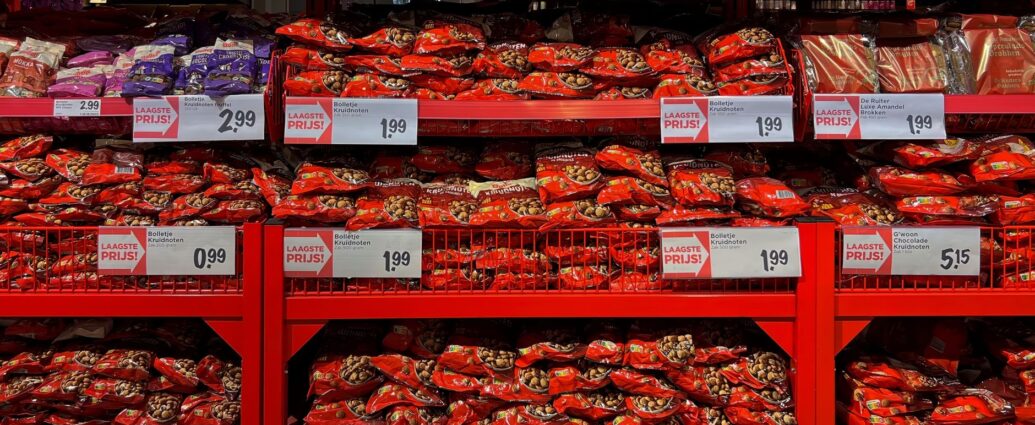
Halloween candy prices have jumped 8.1% this year, affecting how much Americans plan to spend on treats. With billions at stake, consumers are feeling the pinch.
Understanding the Price Increase
This year, consumers are facing a surprising rise in Halloween candy prices, with an 8.1% increase compared to last year. This significant jump comes as many Americans gear up to spend billions on treats for trick-or-treaters and festive gatherings. Understanding the factors behind this price surge is crucial for both shoppers and retailers.
Several reasons contribute to the rise in prices:
- Supply Chain Issues: Ongoing disruptions in the supply chain have impacted the availability of key ingredients, driving costs up for manufacturers.
- Inflation: General inflation has affected various sectors, including food production. Candy manufacturers are grappling with higher costs for raw materials and labor.
- Increased Demand: With Halloween becoming increasingly popular, the demand for candy has surged, prompting companies to adjust their pricing strategies.
- Shipping Costs: Rising shipping costs due to fuel prices and logistical challenges have further contributed to the overall increase in Halloween candy prices.
As a result of these factors, consumers may need to budget more for their Halloween festivities this year. While some may opt to cut back on quantity, others might seek sales or discounts to offset the higher prices.
Factors Influencing Candy Costs
This year’s Halloween candy prices have experienced a significant surge, and several factors are contributing to this increase. Understanding these elements can help consumers navigate the challenges of rising costs.
- Supply Chain Disruptions: The lingering effects of the pandemic have caused disruptions in supply chains. Issues such as shipping delays and shortages of raw materials have impacted candy production, leading to higher prices.
- Increased Ingredient Costs: The prices of key ingredients like sugar, chocolate, and corn syrup have risen due to a combination of inflation and higher demand. These increased ingredient costs are directly reflected in the final price consumers pay for Halloween candy.
- Labor Shortages: Many companies are facing challenges in hiring and retaining workers, which has resulted in higher labor costs. These expenses often trickle down to the pricing of products, including Halloween candy.
- Consumer Demand: As consumers prepare to spend billions on Halloween treats this year, heightened demand can lead to price increases. Suppliers may adjust their prices in anticipation of greater sales.
In summary, the combination of supply chain issues, rising ingredient and labor costs, and increased consumer demand all play a role in the shocking 8.1% rise in Halloween candy prices this year.
Consumer Spending Trends for Halloween
This year, consumer spending trends for Halloween reflect a significant shift as prices of Halloween candy rise by 8.1%. Despite this increase, Americans are projected to spend billions on treats, showcasing a relentless enthusiasm for the holiday. According to recent surveys, many households are planning to maintain or even increase their budgets for Halloween festivities, which include candy purchases.
Several factors contribute to this trend:
- Increased Consumer Demand: With more families engaging in Halloween traditions, the demand for candy has surged, prompting retailers to raise prices.
- Supply Chain Challenges: Ongoing disruptions continue to affect the availability of ingredients and production, further driving costs upward.
- Inflationary Pressures: The general rise in living costs has impacted pricing strategies across the board, including the confectionery sector.
Interestingly, many consumers appear undeterred by the hike in Halloween candy prices. Instead, they are opting for premium selections and unique flavors, reflecting a willingness to spend more for quality. This shift indicates a broader trend where holiday spending is viewed as an essential part of family experiences and community celebrations.
As Halloween approaches, it remains to be seen how these consumer behaviors will shape the market and whether candy prices will stabilize or continue to rise in the future.
Impact on Local Businesses
The recent 8.1% increase in Halloween candy prices is causing significant concern among local businesses that rely heavily on seasonal sales. As consumers adapt to higher costs, many retailers are reevaluating their pricing strategies and marketing approaches.
Local shops, especially those that specialize in festive treats, are feeling the pressure. Many have reported a decrease in foot traffic as budgets tighten. To combat this decline, business owners are exploring various tactics, including:
- Bundle Deals: Offering promotions that combine popular candies at a discounted rate to encourage bulk purchases.
- Local Sourcing: Partnering with nearby suppliers to reduce transportation costs and offer fresher options.
- Themed Events: Hosting Halloween-themed events to draw in crowds and boost overall sales.
However, while some businesses are finding creative solutions, others are struggling to stay afloat amid rising costs. The impact of increased Halloween candy prices may not only affect individual retailers but could also ripple through the entire community. As consumers become more selective in their purchases, local economies may face unforeseen challenges this Halloween season.
Ultimately, the effects of this price surge might extend beyond just candy aisles, influencing shopping habits and spending patterns throughout the holiday season.
Budgeting for Halloween Treats
As Halloween approaches, families are faced with the challenge of budgeting for Halloween treats amidst rising costs. This year, with Halloween candy prices experiencing a shocking 8.1% increase, careful planning is essential to ensure that festivities remain enjoyable without breaking the bank.
To help manage expenses, here are some tips for budgeting effectively:
- Set a Budget: Determine how much you can afford to spend on Halloween candy and stick to that limit. Consider the number of trick-or-treaters you expect and plan accordingly.
- Shop Early: Prices may fluctuate as Halloween approaches, so purchasing candy in advance can help you avoid last-minute price hikes.
- Compare Prices: Take the time to check prices at different stores or online retailers. Some places may offer discounts or promotions that can help reduce costs.
- Buy in Bulk: If you’re expecting a large number of visitors, buying in bulk can be a cost-effective solution, often leading to a lower price per unit.
- Consider Alternatives: If traditional candy is too expensive, consider non-candy treats like stickers or small toys, which can also be popular among children.
By taking these steps, families can better navigate the impact of rising Halloween candy prices and ensure a fun-filled celebration.
Comparing Prices from Previous Years
As Halloween approaches, many consumers are taking a closer look at candy prices compared to previous years. This year’s shocking 8.1% increase in Halloween candy prices has left many families reevaluating their budgets for treats.
To understand the current pricing landscape, it’s helpful to compare this year’s costs with those from the past few years:
- 2020: The average cost of Halloween candy was significantly lower, with many brands offering promotions that kept prices manageable.
- 2021: Candy prices began to rise, reflecting supply chain challenges and increased production costs, resulting in a 5% increase.
- 2022: The trend continued, with prices increasing another 6%, prompting consumers to look for deals and discounts.
This year, with the 8.1% increase, consumers are noticing the impact of inflation and market fluctuations on their favorite treats. Many families are now forced to choose between quantity and quality, as the cost of popular Halloween candies rises.
Despite the increase in Halloween candy prices, experts suggest that families can still find ways to enjoy the holiday by shopping smart and taking advantage of sales and bulk-buying options.
Tips for Saving on Halloween Candy
As Halloween approaches, many families are feeling the pinch from rising Halloween candy prices. However, there are effective strategies to help manage costs while still enjoying the festive season.
- Shop Early: Take advantage of early sales and promotions. Many retailers offer discounts on Halloween candy weeks before the holiday, allowing you to stock up at lower prices.
- Buy in Bulk: Purchasing candy in bulk can lead to significant savings. Look for wholesale options or larger bags at discount stores to get more for your money.
- Use Coupons: Keep an eye out for coupons in local flyers or online. Combining coupons with store sales can result in substantial savings on your Halloween candy purchases.
- Compare Prices: Before making a purchase, compare prices at different stores. Some retailers may have better deals on specific candy brands, making it beneficial to shop around.
- Consider Alternatives: Instead of traditional candy, consider providing non-candy treats such as stickers, toys, or other small items. These can be more budget-friendly and may appeal to parents looking for healthier options.
By implementing these tips, you can help offset the impact of the shocking 8.1% increase in Halloween candy prices and ensure that your celebration remains enjoyable and affordable.
Photo by Paul Stam on Pexels