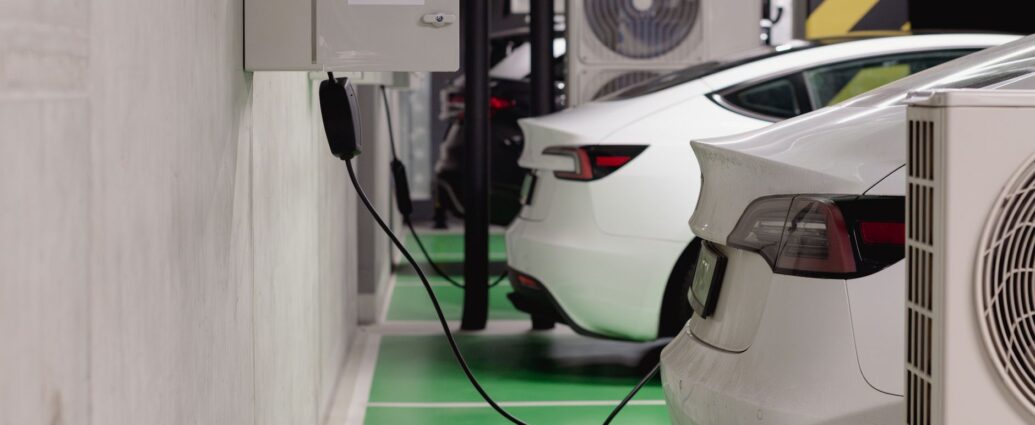
commercial EV charging is gaining momentum in India as Jio-bp partners with DRIVN to enhance infrastructure. This collaboration aims to provide efficient charging solutions across the country.
Overview of Jio-bp and DRIVN Partnership
The partnership between Jio-bp and DRIVN marks a significant step in enhancing the landscape of commercial EV charging in India. This collaboration aims to establish a robust network of charging stations, catering to the growing demand for electric vehicles in the country.
Jio-bp, a joint venture between Reliance Industries and BP, has been at the forefront of innovation in energy solutions. By combining its extensive infrastructure with DRIVN’s technological expertise, the partnership seeks to create a seamless charging experience for users.
Key objectives of the Jio-bp and DRIVN partnership include:
- Expansion of Charging Stations: Increasing the number of commercial EV charging points across urban and rural areas.
- Enhanced Accessibility: Ensuring that charging stations are conveniently located for drivers.
- Improved Technology: Implementing advanced solutions for efficient energy management and user experience.
As India pushes towards a greener future, this partnership symbolizes a commitment to sustainable transportation solutions.
Importance of Commercial EV Charging
As India continues to embrace sustainable transportation, the importance of commercial EV charging becomes increasingly evident. With the rapid growth of electric vehicles on the roads, establishing a robust charging infrastructure is crucial for supporting this transition.
Commercial EV charging stations play a vital role in ensuring that businesses can operate efficiently while minimizing their carbon footprint. The availability of these charging points encourages fleet operators and logistics companies to invest in electric vehicles, contributing to a greener future.
Moreover, the shift towards electric mobility can lead to significant cost savings for businesses. By utilizing commercial EV charging, companies can reduce fuel expenditures and maintenance costs associated with traditional vehicles. This economic incentive, combined with government initiatives promoting electric mobility, positions commercial EV charging as a strategic advantage for businesses.
In addition, implementing a widespread network of commercial EV charging stations can enhance energy security and reduce reliance on fossil fuels, aligning with India’s broader goals of sustainability and environmental protection.
Benefits of Enhanced EV Infrastructure
The expansion of commercial EV charging infrastructure presents numerous benefits for India, particularly in the context of growing electric vehicle adoption. By enhancing the availability of charging stations, businesses can cater to the increasing demand for electric vehicles, thus promoting a shift towards sustainable transportation.
One of the key advantages of improved commercial EV charging is the potential for reduced operational costs. Electric vehicles typically offer lower running costs compared to traditional fuel vehicles, making them an attractive option for businesses looking to optimize their logistics and fleet management.
Furthermore, a robust charging network can lead to:
- Increased accessibility: More charging points make it easier for EV users to find convenient locations to recharge.
- Enhanced consumer confidence: A reliable charging infrastructure encourages more drivers to switch to electric vehicles.
- Environmental benefits: Increased use of electric vehicles contributes to reduced emissions and improved air quality.
In conclusion, investing in commercial EV charging is not just an operational necessity; it is a step towards a sustainable future for India.
Challenges Facing EV Charging in India
The expansion of commercial EV charging infrastructure in India faces several challenges that could hinder its growth and effectiveness.
One of the primary obstacles is the lack of adequate charging stations in urban and rural areas alike. Without a widespread network, the convenience of owning electric vehicles diminishes, potentially discouraging adoption.
Additionally, interoperability issues among different charging networks can complicate the user experience, as consumers may find it challenging to locate compatible charging points.
Another challenge is high initial investment costs for businesses looking to set up charging stations. Many may hesitate to invest heavily without guaranteed returns or sufficient demand.
Furthermore, government policies and incentives are critical to support the establishment of a robust commercial EV charging framework. Inconsistent regulations can create uncertainty, making it difficult for companies to plan long-term strategies.
These challenges must be addressed to fully realize the potential of commercial EV charging and transform India’s transportation landscape.
Future of Electric Vehicles in India
The future of electric vehicles (EVs) in India looks promising, particularly with the growing emphasis on commercial EV charging infrastructure. As the country aims to reduce its carbon footprint and transition to sustainable energy, the adoption of electric vehicles is expected to see significant growth. This shift is propelled by various factors, including government incentives, the increasing availability of charging stations, and the rising awareness among consumers about the benefits of EVs.
In urban areas, the integration of commercial EV charging solutions can enhance the convenience of owning an electric vehicle. With partnerships like that of Jio-bp and DRIVN, the establishment of robust charging networks is becoming a reality, ensuring that drivers have access to reliable charging options. Such initiatives will not only support fleet operators but will also encourage individual users to consider electric vehicles as a viable alternative.
As consumer demand continues to rise, the focus will likely shift towards improving charging technology and expanding the network of commercial EV charging stations across the country, paving the way for a greener future.
Impact on EV Adoption Rates
The adoption rates of electric vehicles (EVs) in India are closely linked to the availability and accessibility of commercial EV charging infrastructure. As the partnership between Jio-bp and DRIVN aims to enhance this infrastructure, it is crucial to assess its potential impact on EV adoption.
Research suggests that easy access to charging stations significantly influences consumers’ purchasing decisions. With the expansion of commercial EV charging networks, potential buyers may feel more confident in transitioning from traditional vehicles to electric options. This shift could lead to a substantial increase in EV sales across the country.
Furthermore, as businesses adopt electric fleets, the demand for commercial EV charging solutions is expected to grow. This not only supports sustainability goals but also drives innovation within the sector. The improved infrastructure may lead to:
- Increased range confidence among drivers
- Reduction in charging time
- Enhanced public perception of electric mobility
In conclusion, the evolution of commercial EV charging infrastructure is poised to play a pivotal role in accelerating the adoption of electric vehicles in India.
Conclusion on Commercial EV Charging Developments
In conclusion, the developments in commercial EV charging through partnerships like that of Jio-bp and DRIVN represent a significant step towards enhancing the electric vehicle ecosystem in India. As the nation strives to reduce its carbon footprint and embrace sustainable transportation, the expansion of commercial EV charging infrastructure will play a pivotal role in this transformation.
The benefits of a robust charging network are clear:
- Increased Accessibility: A well-distributed network of charging stations will make it easier for businesses and consumers to adopt EVs.
- Boosting Confidence: Reliable charging options can alleviate range anxiety among potential EV users.
- Supporting Growth: Enhanced infrastructure will encourage investment in the EV sector, leading to technological advancements and job creation.
However, the challenges that remain cannot be overlooked, including the need for regulatory support and the establishment of efficient energy sources. Ultimately, with concerted efforts and strategic partnerships, commercial EV charging could very well be the key to unlocking a sustainable future for India’s transportation landscape.
Photo by Jakub Zerdzicki on Pexels
References
Related stories
Kinetic DX+ battery range: Is it the best option for EVs? · Car Auction Singapore: The Best Proven Way to Buy Cars · Jawa 42 Bobber All Stars: Best Price and Key Details