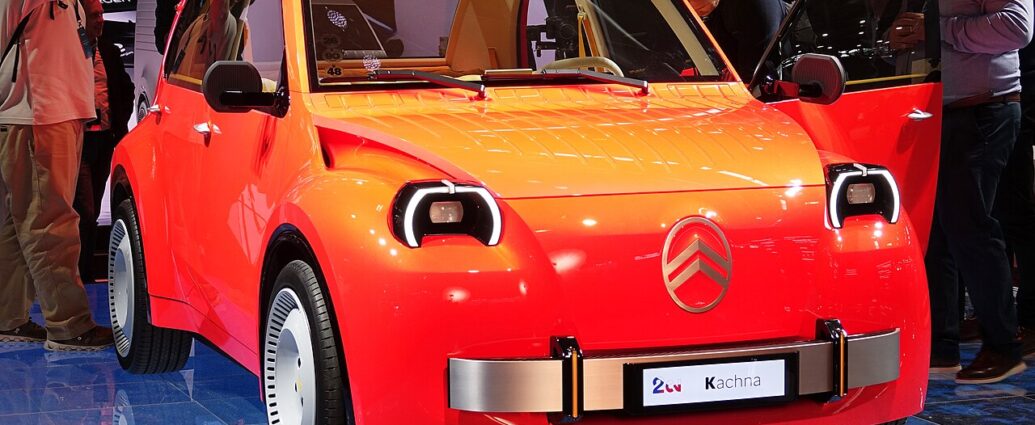
The Citroën 2CV EV is set to make waves in the automotive industry. Planned for a 2028 launch, this electric vehicle could be manufactured in India for global markets.
Overview of the Citroën 2CV EV
The Citroën 2CV EV is set to revive the iconic legacy of the classic 2CV model, but with a modern twist. This electric vehicle aims to blend nostalgia with sustainability, catering to a growing demand for eco-friendly transportation options. With its anticipated launch in 2028, the 2CV EV will target a global audience while maintaining the affordable pricing that made its predecessor a beloved choice among drivers.
Production plans indicate that the Citroën 2CV EV could be manufactured in India, leveraging the country’s expanding automotive market. This strategic move not only aims to reduce costs but also to meet international supply demands efficiently.
Key features expected in the Citroën 2CV EV include:
- Compact and lightweight design for urban mobility
- Advanced electric drivetrain to enhance energy efficiency
- Retro-inspired aesthetics combined with modern technology
- Customizable options to appeal to diverse consumer preferences
As the launch date approaches, excitement continues to build around this innovative vehicle, promising to honor the spirit of the original while paving the way for the future of electric cars.
Manufacturing Plans in India
Citroën has announced ambitious manufacturing plans for the highly anticipated Citroën 2CV EV, aiming to establish a production facility in India. This strategic move is part of the company’s broader strategy to cater to global markets by leveraging India’s robust automotive manufacturing capabilities.
The new facility is expected to focus on the following key aspects:
- Cost Efficiency: Utilizing India’s cost-effective labor and resources will allow Citroën to produce the 2CV EV at competitive prices.
- Sustainability: The manufacturing process will prioritize eco-friendly practices, aligning with global sustainability goals.
- Local Market Penetration: A local production base will enable Citroën to respond quickly to market demands in both India and surrounding regions.
- Innovation: The facility is expected to incorporate cutting-edge technology, ensuring that the 2CV EV meets modern standards of performance and efficiency.
With plans for a 2028 launch, the Citroën 2CV EV is set to become a symbol of innovation and sustainability in the automotive sector, marking a significant milestone for the brand in India.
Global Market Strategy
As part of its ambitious global market strategy, Citroën is set to launch the much-anticipated Citroën 2CV EV in 2028. The company plans to capitalize on the growing demand for electric vehicles by targeting diverse markets across Europe, Asia, and North America. To achieve this, Citroën will implement a multi-faceted approach that includes:
- Localized Production: With manufacturing bases in India, the company aims to streamline production and reduce costs, ensuring competitive pricing for the 2CV EV.
- Targeted Marketing: Citroën will focus on eco-conscious consumers, leveraging the iconic design of the 2CV while promoting its environmental benefits.
- Partnerships: Collaborations with local dealers and suppliers will enhance market penetration and customer service.
- Innovative Technology: The Citroën 2CV EV will feature cutting-edge technology, appealing to tech-savvy drivers looking for sustainable options.
With these strategies in place, Citroën is poised to make a significant impact in the evolving electric vehicle landscape.
Timeline for the 2028 Launch
The timeline for the highly anticipated Citroën 2CV EV launch has been meticulously crafted, ensuring a smooth entry into the global market. The key milestones leading up to the 2028 release are as follows:
- 2025: Final prototypes of the Citroën 2CV EV will undergo rigorous testing to meet international safety and performance standards.
- 2026: Production facilities in India will be officially inaugurated, with plans for advanced manufacturing techniques to enhance efficiency.
- 2027: Marketing campaigns will kick off, focusing on the vehicle’s eco-friendly features and nostalgic design, aiming to create buzz ahead of the launch.
- Early 2028: Pre-orders will open, allowing enthusiastic customers to secure their own Citroën 2CV EV.
- Mid-2028: The Citroën 2CV EV is set to hit global markets, with an initial focus on Europe and select Asian markets.
This timeline showcases Citroën’s commitment to reviving the iconic model while integrating modern electric vehicle technology.
What to Expect from the 2CV EV
The upcoming Citroën 2CV EV promises to blend nostalgia with modern technology, appealing to both classic car enthusiasts and eco-conscious consumers. As the brand gears up for its 2028 global launch, several key features are anticipated to set this electric vehicle apart from its competitors.
- Design: The 2CV EV will retain the iconic silhouette of its predecessor while incorporating contemporary elements that enhance aerodynamics and efficiency.
- Performance: With a focus on sustainability, the electric powertrain is expected to deliver a balance of performance and range, making it suitable for both urban and rural driving.
- Technology: Advanced infotainment systems and smart features are likely to be integrated, providing drivers with a seamless digital experience.
- Sustainability: Emphasizing eco-friendliness, materials used in the production will aim to reduce the environmental impact, aligning with Citroën’s commitment to sustainability.
These features will not only honor the legacy of the original 2CV but also position the Citroën 2CV EV as a forward-thinking option in the electric vehicle market.
Comparing the 2CV EV with Competitors
The upcoming Citroën 2CV EV aims to carve a niche in the burgeoning electric vehicle market, competing with several notable models. Its unique design and heritage appeal set it apart from modern electric cars, yet it faces stiff competition from established brands.
Key competitors include:
- Mini Electric: Known for its iconic design and sporty performance, the Mini Electric offers a dynamic driving experience but at a premium price point.
- Fiat 500 Electric: This compact EV combines urban practicality with retro charm, appealing to a similar demographic but may lack the 2CV’s historical allure.
- Honda e: With its cutting-edge technology and stylish aesthetics, the Honda e captures attention, although it is often seen as more of a city car than the versatile 2CV EV.
While the Citroën 2CV EV embraces a nostalgic essence, its affordability and practicality could make it a compelling choice for consumers seeking an eco-friendly vehicle. As the launch approaches, enthusiasts eagerly await the full specifications and features that will define its market position.
Consumer Reactions to the 2CV EV
Consumer reactions to the upcoming Citroën 2CV EV have been overwhelmingly positive, with many enthusiasts eagerly anticipating its release. The iconic design and modern electric technology seem to resonate well with both older fans of the original model and a new generation of eco-conscious drivers.
Feedback from early previews has highlighted several key features that consumers find appealing:
- Retro Aesthetic: Many fans appreciate the nostalgic design that pays homage to the classic 2CV.
- Environmental Impact: The transition to electric aligns with a growing demand for sustainable vehicles, making the 2CV EV attractive to eco-friendly consumers.
- Affordability: Anticipated pricing strategies suggest that the 2CV EV will be accessible to a broad audience, enhancing its market appeal.
- Customizability: Potential buyers are excited about customizable options that allow personalization.
As anticipation builds, social media platforms are buzzing with discussions about the Citroën 2CV EV, marking its place as a highly anticipated entry into the electric vehicle market.
Future of Electric Vehicles in India
The future of electric vehicles in India looks promising, particularly with the anticipated launch of the Citroën 2CV EV. As the global market shifts towards sustainable transportation, India is positioning itself as a key player in the electric vehicle segment.
Several factors contribute to this positive outlook:
- Government Initiatives: The Indian government is actively promoting electric mobility through incentives and infrastructure development.
- Growing Consumer Awareness: Increasing awareness about environmental issues is encouraging consumers to consider electric vehicles as a viable option.
- Investment in Technology: Major automobile manufacturers are investing heavily in electric vehicle technology, improving battery efficiency and reducing costs.
- Local Manufacturing: With the Citroën 2CV EV expected to be manufactured locally, the cost of ownership is likely to decrease, making it more accessible to a wider audience.
As the launch date approaches, the Citroën 2CV EV is set to play a pivotal role in shaping the electric vehicle landscape in India, contributing to a greener future and promoting sustainable transportation solutions.
via Wikimedia Commons