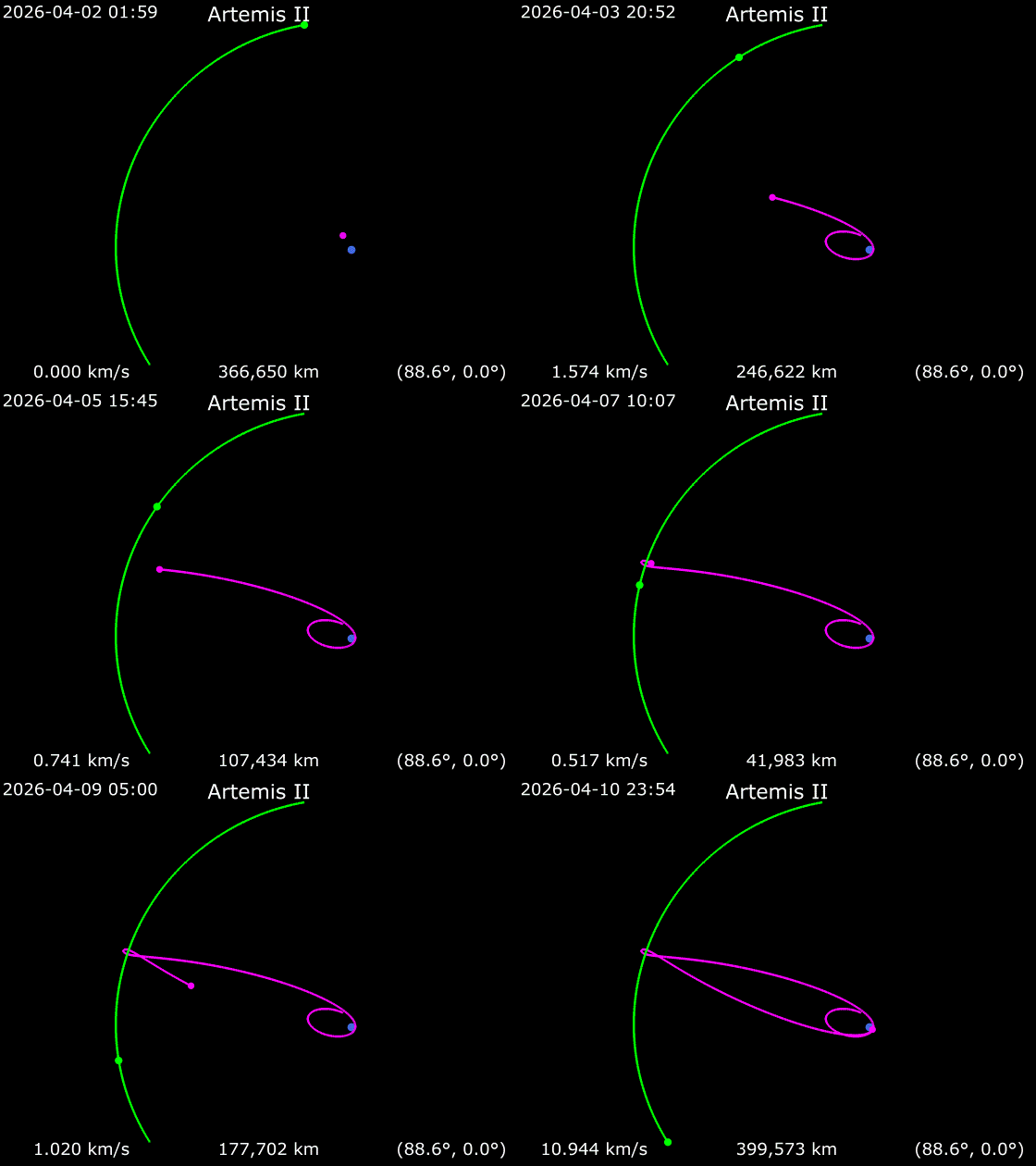
The Artemis II launch has caused notable disturbances in the ionosphere, as revealed by a new study. This article explores the implications of these findings.
The Impact of Artemis II on the Ionosphere
The recent Artemis II launch has raised concerns regarding its effects on the ionosphere, a crucial layer of the Earth’s atmosphere. According to a new study, the launch has led to several notable disturbances in this region, highlighting the potential consequences of future space missions.
Researchers have identified five key findings related to the impact of the Artemis II launch on the ionosphere:
- Increased Electron Density: The launch caused a significant rise in electron density in the ionosphere, which can affect radio communications and satellite operations.
- Wave Activity: The disturbance introduced new wave patterns, leading to potential disruptions in various frequency bands used for global communications.
- Localized Heating: The energy released during the launch resulted in localized heating of the ionospheric region, altering its standard behavior.
- Altered Plasma Dynamics: Changes in plasma dynamics were noted, which can influence space weather and its interaction with Earth’s magnetic field.
- Long-term Monitoring Required: The findings indicate a need for ongoing monitoring of the ionosphere to understand the broader implications of human activities in space.
These findings underscore the importance of considering environmental impacts when planning future missions, such as the upcoming Artemis II launch.
Understanding Ionospheric Disturbances
The recent Artemis II launch has raised significant concerns regarding its impact on the ionosphere, an essential layer of Earth’s atmosphere. Understanding ionospheric disturbances is crucial for grasping the potential consequences of such space missions.
Ionospheric disturbances can occur due to various factors, including solar activity and human-made events. The launch of rockets, particularly those as powerful as Artemis II, can create shock waves and release energy that disrupts the natural state of the ionosphere.
Key findings from recent studies highlight the following aspects of these disturbances:
- Electromagnetic Interference: The launch generates electromagnetic waves that can interfere with satellite communications and navigation systems.
- Electron Density Variability: Increased rocket activity can lead to changes in electron density, affecting radio wave propagation.
- Long-lasting Effects: Disturbances may persist long after the launch, influencing the ionosphere for hours or even days.
- Increased Turbulence: The energy released can cause turbulence, complicating atmospheric modeling.
- Research Opportunities: Each launch provides valuable data for understanding ionospheric behavior and improving predictive models.
As space exploration continues to evolve, monitoring these disturbances becomes increasingly vital for ensuring reliable communication and navigation systems.
Key Findings from the Study
Recent research has unveiled significant findings regarding the Artemis II launch and its effects on the ionosphere. The study identified several key impacts that highlight the complexities of ionospheric disturbances caused by space missions. Below are the primary findings:
- Elevation of Electron Density: The launch resulted in a marked increase in electron density in the ionosphere, indicating a direct correlation between rocket launches and ionospheric changes.
- Disruption of Communication Signals: The disturbances caused temporary disruptions in radio communication, particularly for frequencies that rely on ionospheric reflection.
- Increased Atmospheric Turbulence: The study noted heightened levels of turbulence in the ionosphere, which could potentially affect satellite operations and GPS accuracy.
- Extended Recovery Time: The ionosphere took longer than expected to return to its pre-launch state, suggesting that the effects of such launches can be prolonged.
- Implications for Future Missions: The findings raise concerns for upcoming space missions, indicating that further research is necessary to mitigate impacts on the ionosphere.
These findings underscore the need for ongoing studies to better understand the consequences of space exploration on our atmospheric systems.
Implications for Future Space Missions
The implications of the Artemis II launch on the ionosphere are significant for future space missions. As our understanding of ionospheric disturbances evolves, it becomes clear that the effects observed during the Artemis II mission could inform the planning and execution of upcoming launches.
Key considerations include:
- Electromagnetic Communication: The disturbances caused by the launch may disrupt communication systems that rely on ionospheric stability.
- Satellite Operations: Increased turbulence in the ionosphere can affect satellite navigation and positioning systems, leading to potential inaccuracies.
- Space Weather Prediction: The data collected during the Artemis II launch can help scientists improve models for predicting ionospheric conditions, essential for safe navigation in space.
- Future Launch Protocols: Understanding the impacts of Artemis II could lead to revised protocols for launches to minimize ionospheric disturbances.
- International Collaboration: The findings may encourage collaboration among nations to study the ionosphere and develop strategies to mitigate its variability during space missions.
By addressing these challenges, future missions can enhance their resilience against the unpredictable nature of the ionosphere, ultimately benefiting space exploration endeavors.
Expert Opinions on Ionospheric Effects
Experts have weighed in on the potential ramifications of the Artemis II launch on the ionosphere, emphasizing the need for further investigation into its disturbances. Dr. Emily Carter, a leading ionospheric scientist, stated, “The Artemis II launch represents a significant event that has highlighted the fragility of the ionosphere during space missions.” She noted that the powerful rockets used in such launches can produce substantial electromagnetic waves, which may lead to unforeseen consequences.
Another expert, Dr. Raj Patel, emphasized the importance of understanding these disturbances, saying, “Our research indicates that interactions between rocket plumes and the ionosphere can create lasting effects, impacting everything from GPS signals to satellite communications.” This concern aligns with findings from the recent study that documented increased ionospheric turbulence following the Artemis II launch.
Furthermore, Dr. Lisa Nguyen highlighted the need for improved predictive models: “As we prepare for future missions, it is crucial to account for how launches like Artemis II can alter the ionosphere and affect our technology.” Overall, these expert opinions underscore the necessity of ongoing research to mitigate risks associated with space exploration and its impact on the ionosphere.
By Phoenix7777 via Openverse