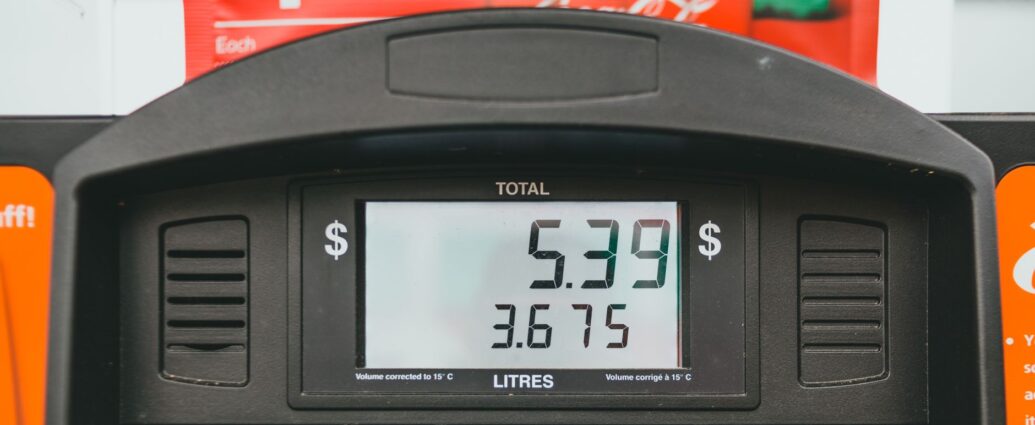
high gasoline prices are expected to significantly boost US consumer inflation in September, raising concerns for households across the country.
Understanding High Gasoline Prices
High gasoline prices have emerged as a significant concern for American consumers, particularly as they contribute to rising inflation rates across the country. The surge in fuel costs not only affects the price at the pump but also has a ripple effect on various sectors of the economy.
Several factors contribute to these elevated gasoline prices, including:
- Supply Chain Disruptions: Global events and natural disasters can hinder the production and distribution of crude oil.
- Geopolitical Tensions: Conflicts in oil-producing regions can lead to uncertainty, driving prices higher.
- Increased Demand: Seasonal changes, such as summer travel, can lead to spikes in gasoline consumption.
The impact of high gasoline prices extends beyond the fuel industry. Consumers face increased costs for goods and services as transportation expenses rise. Additionally, this upward trend in gasoline prices is expected to boost US consumer inflation, making it a critical issue for policymakers and households alike. Understanding the dynamics behind these price increases is essential for navigating the current economic landscape.
The Impact on Consumer Inflation
The rise in high gasoline prices has a significant ripple effect on consumer inflation in the United States. As fuel costs increase, they contribute directly to the overall inflation rate, impacting various sectors of the economy.
Several factors illustrate the impact of high gasoline prices on consumer inflation:
- Transportation Costs: Higher fuel prices raise transportation expenses for goods, leading to increased prices for consumers.
- Food Prices: Many food products rely on transportation, so rising gasoline prices can translate to higher grocery bills.
- Consumer Spending: As families allocate more of their budgets to gasoline, they may cut back on spending in other areas, affecting overall economic growth.
- Inflation Expectations: Persistent high gasoline prices can alter consumer expectations about future inflation, prompting businesses to adjust their pricing strategies.
In summary, the connection between high gasoline prices and consumer inflation is complex but undeniable. As these prices rise, the broader implications for the economy become increasingly apparent, influencing everything from daily expenses to long-term financial planning for households.
Why Fuel Costs Matter
Fuel costs are a significant driver of overall economic health and directly affect consumers’ everyday lives. High gasoline prices not only increase the cost of filling up a vehicle but also contribute to higher transportation expenses for goods and services across various sectors.
When gasoline prices rise, it triggers a chain reaction that impacts multiple facets of the economy:
- Transportation Costs: Increased fuel costs lead to higher transportation fees, which can be passed on to consumers in the form of elevated prices for goods.
- Consumer Spending: With more money spent on fuel, consumers have less disposable income for other purchases, potentially slowing economic growth.
- Inflation Pressure: Sustained high gasoline prices can contribute to broader inflation, making everyday goods more expensive and eroding purchasing power.
- Business Operations: Companies may face increased operational costs, leading to adjustments in pricing strategies that further influence consumer spending.
Overall, understanding the implications of high gasoline prices is vital for grasping the current economic landscape and the pressures it places on inflation rates.
Economic Trends to Watch
As the nation grapples with high gasoline prices, several economic trends are emerging that warrant close attention. These trends not only reflect the current financial landscape but also hint at future implications for consumers and businesses alike.
One key area to monitor is the correlation between fuel costs and overall inflation rates. As consumers feel the pinch of increased gasoline prices, their spending habits may shift, leading to changes in demand for other goods and services. Additionally, the rising costs of transportation can drive up prices across various sectors, creating a ripple effect throughout the economy.
Furthermore, analysts predict that sustained high gasoline prices could influence monetary policy decisions. The Federal Reserve may need to reassess its strategies to combat inflation, as prolonged spikes in fuel costs could complicate efforts to stabilize the economy.
In light of these developments, it is crucial to keep an eye on:
- The impact of fuel costs on consumer spending.
- Changes in monetary policy responses.
- Sector-specific price increases driven by transportation costs.
These factors will play a significant role in shaping the economic outlook in the coming months.
Photo by Erik Mclean on Pexels
Read the original
Related stories
Is the MG Windsor INDULGE Edition the Best EV Choice? · Denza D9 India Launch: 5 Proven Facts You Must Know · Is BMW Concept 7 Protection the Best Discreet Security Option?