Where technology is advancing at an unprecedented rate, one cannot help but feel a bit overwhelmed by the sheer amount of information and connectivity available at our fingertips. But with great power comes great responsibility, and with the ability to communicate and share information comes the need for security, privacy, and control. This is where signal jammers come into play, offering a solution to the growing concerns of maintaining a secure and private environment in a world that is increasingly interconnected.
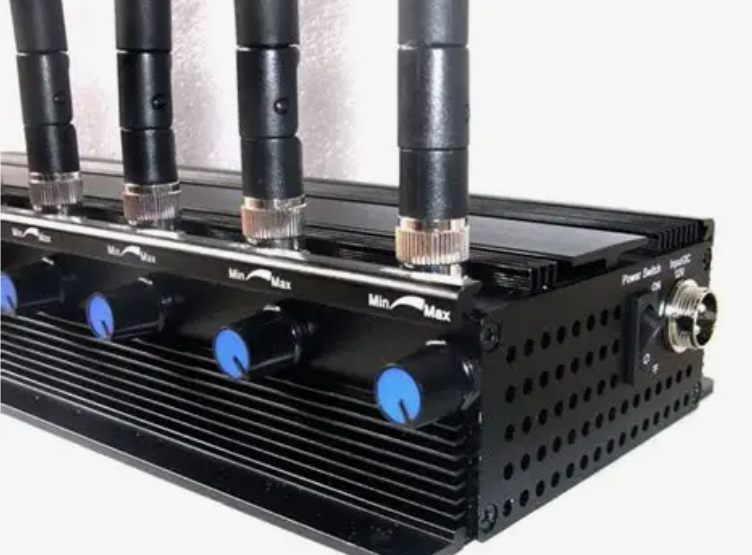
Signal jammers, also known as radio frequency jammers, are devices that emit radio waves to block or disrupt the signals of other electronic devices. They are used in a variety of settings, from military operations to corporate boardrooms, to prevent unauthorized communication and maintain control over sensitive information. Let’s dive into the world of signal jammers and explore their role in providing security, privacy, and controlled environments.
The Importance of Signal Jamming
In an era where data breaches and cyber attacks are becoming more frequent and sophisticated, the need for robust security measures has never been greater. Signal jammers play a crucial role in this regard, as they can effectively block unauthorized transmissions, preventing sensitive information from falling into the wrong hands. By disrupting the signal, these devices create a secure bubble around the area they are deployed in, ensuring that only authorized communication can take place. This is particularly important in high-security environments, such as government facilities, military bases, and corporate offices, where the risk of espionage and data theft is high.
The Role of Signal Jamming in Privacy Protection
Privacy is another area where signal jammers can make a significant impact. With the proliferation of smartphones and other wireless devices, it has become increasingly difficult to maintain privacy in public spaces. Signal jammers can help by blocking the signals of these devices, preventing unauthorized recording or eavesdropping. This is particularly useful in situations where sensitive conversations are taking place, such as during business meetings or diplomatic negotiations. By using signal jammers, organizations can ensure that their discussions remain confidential and secure from prying ears.
Controlled Environments and Signal Jamming
Signal jammers are also essential in creating controlled environments, where the flow of information is tightly regulated. This is especially important in settings such as prisons, where the risk of communication with the outside world can lead to security breaches and organized crime. By deploying signal jammers, prison authorities can prevent inmates from using mobile phones to coordinate illegal activities or communicate with accomplices. This helps to maintain order and security within the facility, as well as protect the public from potential threats.
Signal Jamming in Educational Institutions
Educational institutions are another area where signal jammers can be beneficial. In today’s digital age, students are often distracted by their smartphones and other electronic devices, which can hinder their learning and focus. By using signal jammers, schools and universities can create a controlled environment where students are less likely to be distracted by their devices. This can lead to improved academic performance and a more focused learning environment. Additionally, signal jammers can also be used to prevent cheating during exams, as they can block the signals used by students to communicate with one another or access the internet for answers.
The Legal and Ethical Considerations of Signal Jamming
While signal jammers offer numerous benefits in terms of security, privacy, and control, it is important to consider the legal and ethical implications of their use. In many countries, the use of signal jammers is heavily regulated or even banned, due to concerns about their potential misuse and the infringement on individual rights. As such, organizations that wish to use signal jammers must carefully consider the laws and regulations in their jurisdiction, as well as the ethical implications of disrupting communication. It is crucial to strike a balance between maintaining security and privacy and respecting the rights and freedoms of individuals.
The Future of Signal Jamming Technology
As technology continues to evolve, so too does the need for advanced signal jamming solutions. The future of signal jamming technology is likely to involve more sophisticated methods of disrupting signals, as well as the development of new technologies to counteract signal jammers. This ongoing arms race between signal jammers and communication devices will continue to shape the landscape of security, privacy, and control in the digital age.
In conclusion, signal jammers play a vital role in today’s interconnected world, providing a means to secure sensitive information, protect privacy, and maintain control over environments where unauthorized communication poses a risk. As we continue to navigate the complexities of the digital age, the importance of signal jammers and their ability to create secure, private, and controlled spaces will only grow. It is essential for organizations and individuals alike to understand the benefits and limitations of signal jammers, and to use them responsibly and ethically in order to strike a balance between security and freedom.
About the Author