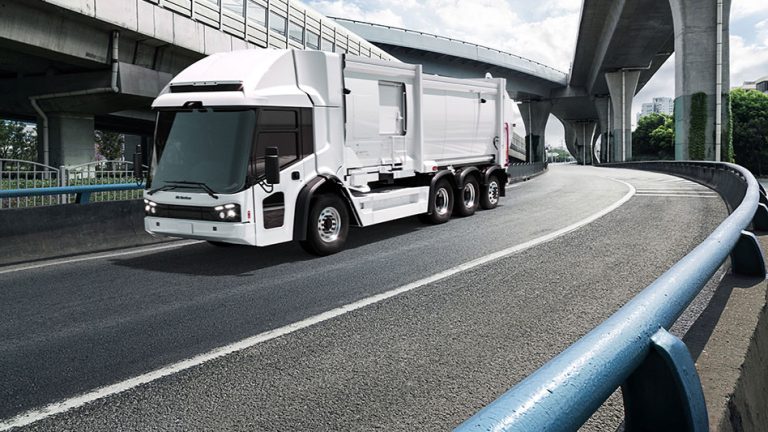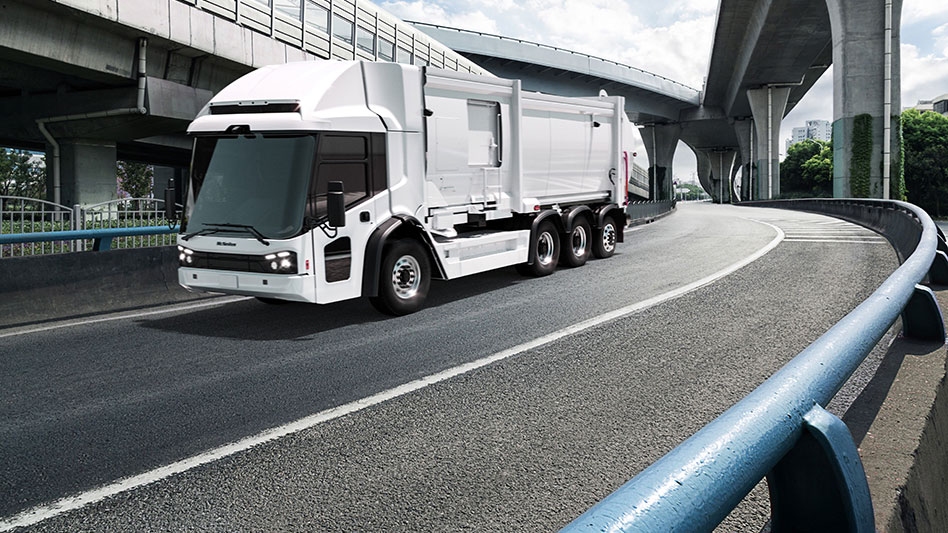
Maintaining a fleet of refuse trucks is essential for ensuring reliability, safety, and long-term performance. McNeilus Refuse Trucks are known for their durability, advanced engineering, and heavy-duty performance, making them a top choice for municipal and commercial waste management fleets. However, to maximize the lifespan and efficiency of these trucks, proper maintenance practices are critical. With support from trusted distributors like Ten-8 Industrial, fleet managers can implement strategies that reduce downtime, lower operating costs, and extend the service life of their McNeilus trucks.
Importance of Regular Maintenance
Routine maintenance is key to preserving the performance of McNeilus Refuse Trucks. These vehicles operate under demanding conditions, handling heavy loads, frequent compaction cycles, and challenging urban environments. Without consistent maintenance, even the most durable truck can experience mechanical failures, reduced efficiency, and increased repair costs.
Regular inspections and preventive maintenance not only improve reliability but also enhance operator safety. By following a structured maintenance schedule, fleets can identify potential issues early, address them proactively, and maintain optimal performance over time. Ten-8 Industrial provides expert guidance and parts support to help fleets adhere to recommended maintenance practices.
Daily and Weekly Checks
Effective maintenance begins with daily and weekly inspections. Operators should perform the following checks before and after each route:
- Fluid Levels: Check engine oil, hydraulic fluid, coolant, and transmission fluid to ensure proper levels and detect leaks early.
- Tire Condition: Inspect tires for wear, proper inflation, and alignment to prevent uneven wear and improve fuel efficiency.
- Lights and Signals: Ensure all headlights, taillights, brake lights, and indicators are functioning for safe operation.
- Brakes and Steering: Test braking performance and steering response to maintain control and safety.
- Hydraulic and Packer Systems: Check for leaks, abnormal noises, and proper operation to prevent downtime.
These routine checks allow operators to catch minor issues before they become major problems, protecting both the truck and the crew.
Monthly and Quarterly Maintenance
In addition to daily inspections, monthly and quarterly maintenance helps ensure that McNeilus Refuse Trucks remain in peak condition:
- Lubrication: Grease all moving parts, including hydraulic lift arms, packers, and joints, to prevent wear and maintain smooth operation.
- Hydraulic Filter Replacement: Replace filters according to manufacturer recommendations to maintain fluid cleanliness and prevent system damage.
- Battery Maintenance: Inspect batteries for corrosion, proper voltage, and secure connections to prevent unexpected downtime.
- Suspension and Chassis Checks: Examine suspension components, frame, and welds for signs of stress or damage, especially on trucks operating in challenging terrain.
- Telematics and Sensor Testing: Ensure onboard sensors, cameras, and telematics systems are operational for safe and efficient route management.
Ten-8 Industrial offers preventive maintenance programs and technical support to help fleets schedule and perform these checks effectively.
Annual Inspections and Major Service
Annual inspections are crucial for identifying long-term wear and addressing critical components that require replacement or adjustment:
- Engine and Transmission Overhaul: Perform in-depth engine diagnostics and transmission checks to detect potential failures.
- Hydraulic Pump and Cylinder Inspection: Ensure all hydraulic components are functioning efficiently to maintain compaction and lifting performance.
- Body and Packer Evaluation: Inspect the refuse body, packer, and structural components for cracks, corrosion, or stress points.
- Safety Systems Review: Check all safety equipment, including emergency brakes, stability systems, and operator alert mechanisms.
- Emission and Environmental Compliance: Confirm that the truck meets local emission standards and any alternative fuel systems are operating correctly.
Comprehensive annual service extends truck life, improves reliability, and protects the significant investment fleets make in McNeilus Refuse Trucks.
Best Practices for Longevity
To maximize the lifespan of McNeilus Refuse Trucks, fleets should adopt several best practices:
- Use Genuine Parts: Only use OEM parts supplied by Ten-8 Industrial to ensure compatibility and maintain warranty coverage.
- Train Operators: Properly trained operators reduce wear and tear, avoid misuse, and maintain safe operating habits.
- Follow Manufacturer Guidelines: Adhere to McNeilus’ recommended service intervals and maintenance procedures.
- Document Maintenance Records: Keep detailed records to track service history, identify recurring issues, and support resale value.
- Invest in Preventive Maintenance: Regular preventive maintenance is more cost-effective than repairing major failures.
By combining structured maintenance routines with operator training and quality parts, fleets can maximize truck performance and minimize unexpected expenses.
Role of Ten-8 Industrial
Ten-8 Industrial plays a crucial role in maintaining the reliability of McNeilus Refuse Trucks. They provide access to OEM parts, maintenance expertise, and technical support, ensuring that every truck receives the care needed for long-term service. Municipalities and commercial haulers benefit from Ten-8 Industrial’s experience in configuring preventive maintenance schedules, performing repairs, and assisting with fleet management strategies.
Conclusion
McNeilus Refuse Trucks are built for durability, heavy-duty performance, and long-term reliability, but proper maintenance is essential to maximize their lifespan and operational efficiency. Daily, weekly, monthly, and annual maintenance routines, combined with best practices and support from Ten-8 Industrial, ensure that fleets minimize downtime, reduce repair costs, and maintain safe, productive operations.
For municipalities and commercial waste fleets looking to protect their investment and extend the service life of their McNeilus trucks, implementing a comprehensive maintenance program is key to long-term success in 2026 and beyond.
About the Author