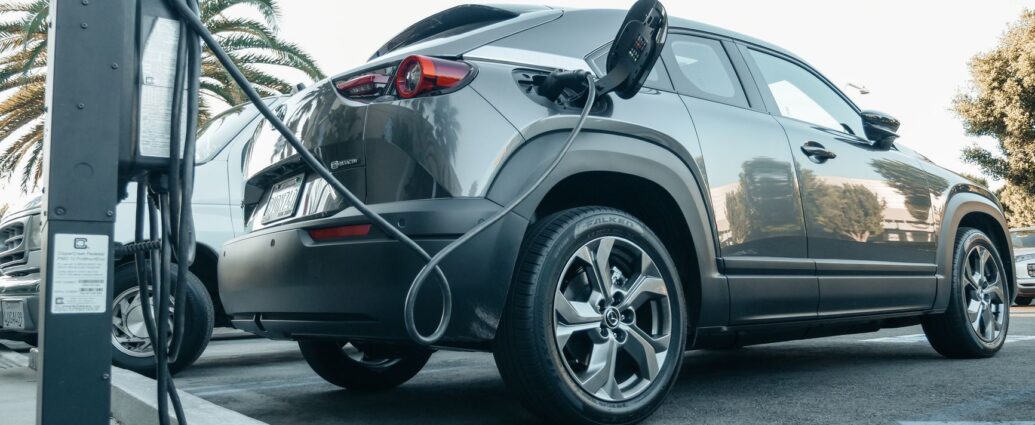
EV charging funding is becoming a pressing issue as Senate Republicans seek to redirect state funds. This move could jeopardize the expansion and accessibility of EV charging stations across the country.
Overview of the Proposed Changes
The ongoing debate surrounding EV charging funding has gained significant attention as Senate Republicans propose changes that could jeopardize state allocations aimed at expanding electric vehicle infrastructure. These proposed modifications raise concerns about the future of charging stations essential for supporting the growing number of electric vehicles on the road.
Key points about the proposed changes include:
- Funding Redirection: The new plan suggests redirecting funds initially earmarked for EV charging projects to other state priorities, which could lead to reduced investment in charging infrastructure.
- Impact on Accessibility: If these changes are implemented, areas that currently lack charging stations may suffer, making it harder for potential EV users to transition from conventional vehicles.
- Environmental Concerns: The shift in funding could hinder progress towards reducing carbon emissions, as expanding EV charging options is crucial for encouraging more drivers to choose electric vehicles.
Advocates for electric vehicle adoption argue that maintaining robust EV charging funding is essential for meeting both environmental goals and consumer demand. As discussions continue, the impact of these proposed changes could significantly shape the future landscape of electric vehicle infrastructure in the United States.
Impact on Electric Vehicle Infrastructure
The ongoing discussions surrounding EV charging funding have raised concerns about the future of electric vehicle infrastructure across the country. As Senate Republicans propose redirection of state funds, the potential consequences could be significant for the development and maintenance of charging stations.
According to experts, the impact of these funding changes may hinder growth in several key areas:
- Accessibility: A reduction in available funds could lead to fewer charging stations in rural and underserved areas, limiting access for many electric vehicle owners.
- Investment: Investors may become hesitant to fund new projects if they perceive a lack of government support, which could stall innovations and improvements in charging technology.
- Public Confidence: A decline in infrastructure development may discourage potential electric vehicle buyers, as concerns about charging availability will likely increase.
- Environmental Goals: The push for cleaner transportation may falter if the necessary infrastructure is not supported, impacting national sustainability targets.
In summary, the proposed changes could disrupt the progress made in establishing a robust electric vehicle charging network, ultimately undermining the transition to more sustainable transportation options.
Senate Republicans’ Justification
Senate Republicans have put forth a rationale for redirecting state funds that could place EV charging funding in jeopardy. They argue that the current allocation of resources towards electric vehicle infrastructure is inefficient and does not align with the needs of their constituents. Proponents of this move assert that the focus should shift towards more immediate transportation needs, such as road repairs and public transit improvements.
In their view, the substantial investments made in EV charging networks are not yielding the expected returns. They highlight the following points:
- Cost Concerns: The expense of expanding charging infrastructure is viewed as a burden on taxpayers, particularly in areas with limited electric vehicle adoption.
- Market Readiness: Republicans argue that the market for electric vehicles is not sufficiently mature to justify continued funding, suggesting that private investment should take precedence.
- Alternative Solutions: Some lawmakers propose reallocating funds to enhance existing public transportation systems, which could have a broader impact on the community as a whole.
The Republican stance raises questions about the future of EV charging funding, potentially undermining initiatives aimed at promoting sustainable transportation solutions and reducing emissions.
Public Response to Funding Redirection
As discussions around EV charging funding intensify, public response has varied significantly across different demographics. Many electric vehicle (EV) owners and environmental advocates express concern over the potential redirection of funds, fearing it could jeopardize the progress made in building a robust charging network.
In a recent survey, a significant portion of respondents indicated that they believe maintaining dedicated funding for EV infrastructure is crucial for the transition to cleaner transportation. This sentiment is echoed by several advocacy groups who argue that any cuts to EV charging funding could slow down the adoption of electric vehicles.
- Support from Environmental Advocates: Many environmental leaders assert that the availability of charging stations is directly linked to increased EV sales, emphasizing the need for sustained financial support.
- Concerns from Urban Residents: Urban populations, who often rely on public charging stations, are particularly worried that funding redirection could lead to fewer available options in densely populated areas.
- Voices from the Automotive Industry: Automakers have also raised alarms, stressing that consumer confidence in electric vehicles hinges on the accessibility of charging infrastructure, which depends on reliable funding.
Overall, the public’s apprehension regarding the implications of funding redirection highlights the critical role that government support plays in the future of EV charging networks.
Future of EV Charging Stations
The future of EV charging stations hangs in the balance as funding uncertainties loom large. With Senate Republicans advocating for the redirection of state funds, the viability of existing and future charging infrastructures may be threatened. This shift in financial support raises concerns among environmental advocates and industry leaders alike.
Key aspects to consider regarding the future of EV charging stations include:
- Increased Demand: As electric vehicle (EV) sales continue to rise, the need for a comprehensive charging network becomes critical. Without adequate funding, the expansion of charging stations may stall, impeding EV adoption.
- Technological Advancements: Innovations in charging technology can significantly enhance user experience. However, these developments require consistent investment, which could be jeopardized by shifting funding priorities.
- Regional Disparities: Areas that rely heavily on federal and state funding for their charging infrastructure may face significant setbacks, leading to unequal access to charging stations across different regions.
In conclusion, the potential risks associated with EV charging funding must be addressed to ensure a robust future for electric vehicle infrastructure. As stakeholders navigate these challenges, the road ahead for EV charging stations remains uncertain.
Comparative Analysis with Other States
In examining the implications of the recent funding redirection, a comparative analysis with other states reveals significant disparities in EV charging funding strategies. States like California and New York have robust frameworks designed to support electric vehicle infrastructure, prioritizing investment in charging stations and renewable energy initiatives.
- California: The state has committed over $1.5 billion to expand its EV charging network, creating thousands of charging stations across urban and rural areas.
- New York: With a goal to install 10,000 charging stations by 2025, New York has allocated substantial state funds and incentives to promote EV adoption.
- Texas: Texas has recently launched initiatives to support EV charging, although funding is not as extensive as in California or New York.
In contrast, the proposed changes in our state could jeopardize the progress made in EV charging funding. By redirecting resources away from electric vehicle infrastructure, the potential for growth and accessibility diminishes significantly. This shift raises concerns about the long-term viability of EV charging stations and the efforts to combat climate change through increased electric vehicle adoption.
Without a solid funding commitment, our state’s position in the EV market could weaken, highlighting the urgent need for a balanced approach to infrastructure investment.
Potential Solutions to Funding Issues
As concerns grow over the potential reduction in EV charging funding, various stakeholders have begun exploring potential solutions to the funding issues at hand. Addressing the challenges requires a multifaceted approach that involves collaboration between government agencies, private enterprises, and community organizations.
One solution could be the establishment of a dedicated EV charging fund, financed through a combination of public and private investments. This fund could ensure that there are sufficient resources allocated for the development and maintenance of charging infrastructure. Additionally, incentivizing private companies to invest in EV charging stations could help alleviate some of the financial strain on state budgets.
Moreover, enhancing partnerships between states and utility companies may provide a more sustainable funding model. Utilities could contribute by offering rebates or subsidies for EV charger installations, encouraging both residential and commercial properties to adopt electric vehicle technology.
Finally, public awareness campaigns could play a significant role in increasing the adoption of electric vehicles, thus generating more revenue through vehicle registration fees specifically earmarked for EV charging funding. By considering these potential solutions, stakeholders may mitigate the risks associated with funding redirection and support the continued growth of electric vehicle infrastructure.
Conclusion and Next Steps
In conclusion, the recent push by Senate Republicans to redirect state funds poses a significant risk to the future of EV charging infrastructure. As electric vehicles gain popularity, adequate funding for charging stations becomes increasingly crucial. The proposed changes could undermine the progress made in expanding EV accessibility and convenience, ultimately harming consumers and the environment alike.
The public response has underscored the importance of maintaining robust funding for EV charging. Many citizens recognize that a reliable charging network is essential for the widespread adoption of electric vehicles. Without sufficient investment, the growth of this vital infrastructure may stagnate, leaving potential EV owners hesitant to make the switch.
Moving forward, it is essential for stakeholders, including consumers, environmental groups, and lawmakers, to engage in dialogue about the implications of these funding decisions. Advocacy for EV charging funding must remain a priority to ensure that electric vehicle infrastructure continues to thrive. Potential solutions include redirecting existing funds, leveraging federal grants, or exploring public-private partnerships.
As discussions unfold, vigilance from the public can help ensure that funding for EV charging remains intact, setting the stage for a sustainable and innovative automotive future. The road ahead requires collaboration and commitment to uphold the progress made in the transition to electric mobility.
The recent analysis suggests that EV charging funding may face significant challenges in the coming years. Without adequate support, the future of EV charging funding could be jeopardized, impacting the transition to electric vehicles.
Photo by Kindel Media on Pexels