If your car runs fine on petrol but hesitates, jerks or stutters when you run it on LPG. This discrepancy could mean a malfunction in the gas fuel system. Regardless, if the engine works perfectly on petrol, then there may be a fault in the LPG system which needs further review.
To ignore the problem involves spending more money in terms of poor fuel economy and rough running over time. The knowledge about the common causes can help you to take the right step forward.
The Reason That Your Car Stutters Only with LPG
The fuel delivery systems of petrol and LPG differ. Some basic engine functions are working accordingly if the engine runs well in petrol. But that certainly does not eliminate any ignition fault or other engine problem.
Likely culprit is any of the components that control fuel flow, pressure, or delivery in the system − aka the LPG bits.
Blocked LPG Filters
Land-based gas filters prevent smears in the miles of cement by letting pollutants out from those quiet areas of lubrication, checking for nails, and caps with aspect-dominated methods. With time, these may become confined. Fuel flow can decrease, in particular when speeding up or travelling uphill, and cause hesitation.
They are subject to inspection by a technician, and if worn, get renewed.
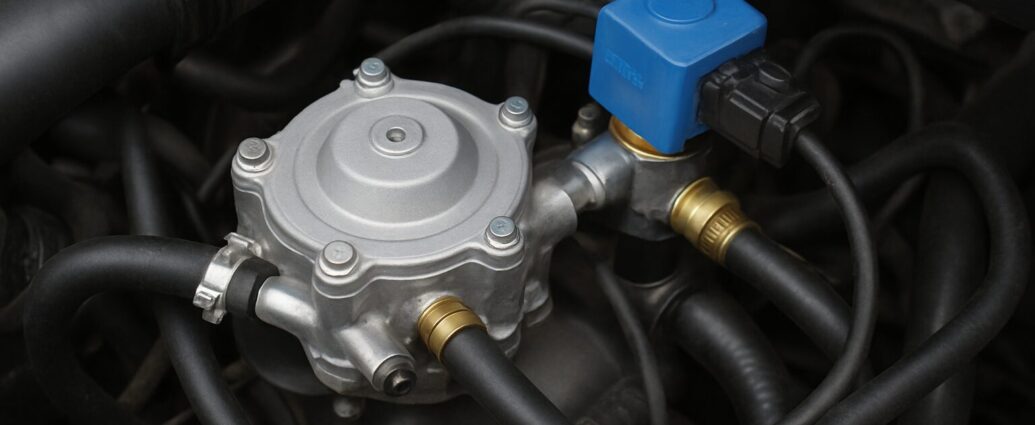
Faulty Injectors or Pressure Regulator
LPG injectors need to provide a certain amount of fuel per cylinder. An engine that has dirty or failing injectors might not run smoothly.
If the gas pressure is not regulated properly because of a faulty regulator, it could also create problems. These can make you feel sluggish, may cause power loss or might have trouble doing the petrol to LPG changeover.
And this is where professional LPG car repair comes in handy; they can identify whether it’s the injectors, regulator, filters, or something else that’s causing the problem.
Old Spark plugs or Ignition Coils
If the ignition system is weak, a car may run fine on petrol but misfire when running on LPG. Worn spark plugs, defective coils, or broken leads can make the fuel mixture not burn correctly.
The inspection shall also include the ignition system and not only the LPG equipment. It is a good way to throw away money without taking the fault of this issue by changing parts up and down without testing!
Do You Need to Calibrate the LPG System?
Yes. A wrong configuration might have an effect on how much gas enters the engine based on certain driving conditions. Instead, it can make the system poorly calibrated, and that will lead to rough idling, hesitation or higher fuel use.
A certified technician can verify system pressure, read fault codes, and inspect fuel delivery. They can accordingly adjust depending on the needs of the car.
Never ever attempt to replace/change LPG parts on your own. Gas fuel systems require tools and safety measures.
When Should You Schedule a Inspection?
Get an inspection if the car jerks on LPG, loses power/stalls or reverts to petrol without warning. If you are smelling gas, stop the car on a safe place, turn off the vehicle, no flames or sparks and get help immediately.
Because of this, a general car service in Berwick may reveal any neighbouring engine or ignition problems but an LPG trained technician can evaluate the gas system itself.
Address the Cause Before It Becomes a Bigger Issue
Immediate LPG car repair will improve performance and minimise the chances of further issues. If your car also requires servicing, it is better to ask for a good car service in Berwick.
What you really need to do is diagnose the root cause and not take a wild guess. But with a proper inspection, you can safely resume driving on the road.
The Short Version
- If a car runs fine on petrol but hesitates on LPG, it indicates a malfunction in the gas fuel system.
- Blocked LPG filters can cause decreased fuel flow, contributing to hesitation when accelerating or traveling uphill.
- Dirty or failing LPG injectors and faulty pressure regulators can lead to sluggish performance and power loss in vehicles running on LPG.
- A weak ignition system, including worn spark plugs and defective coils, can cause a car to misfire when operating on LPG.
- Calibrating the LPG system is necessary to ensure proper gas entry and avoid rough idling or increased fuel usage.
- Drivers should seek inspection if their car jerks on LPG, loses power, or exhibits gas smells to prevent potential hazards.