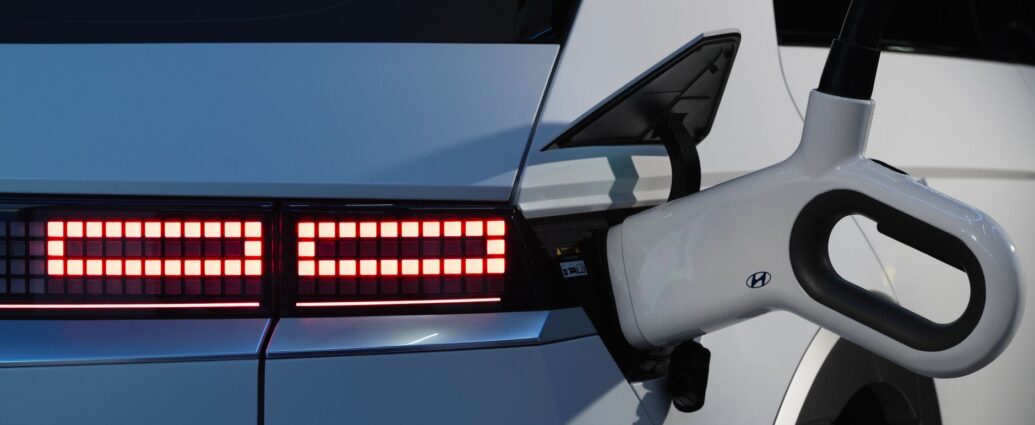
The Hyundai IONIQ 3 cancellation has left many potential buyers disappointed. This decision marks a significant shift in the Australian electric vehicle landscape.
Impact of Hyundai IONIQ 3 cancellation
The recent Hyundai IONIQ 3 cancellation has sent shockwaves through the electric vehicle (EV) market, particularly for potential buyers in Australia. As consumers increasingly turn to sustainable transportation options, this decision raises concerns about the future of EV availability and competition in the region.
Many were eagerly anticipating the arrival of the IONIQ 3, which promised to offer advanced technology and impressive performance. However, Hyundai’s choice to cancel the launch may lead to several significant impacts:
- Reduced Options: With the cancellation of the IONIQ 3, Australian consumers will have fewer choices when it comes to purchasing electric vehicles, potentially stalling the shift towards greener transportation.
- Increased Market Competition: Chinese EV manufacturers, who are rapidly expanding their presence, may benefit from Hyundai’s withdrawal, potentially capturing the market share that would have been held by the IONIQ 3.
- Consumer Sentiment: The cancellation is likely to dishearten loyal Hyundai fans and potential buyers who were looking forward to the vehicle’s features, leading to skepticism about the brand’s commitment to the EV market.
In light of these factors, the Hyundai IONIQ 3 cancellation could mark a significant turning point in the Australian EV landscape, urging consumers to reconsider their options.
Reasons behind the cancellation
The recent Hyundai IONIQ 3 cancellation has left many potential buyers disappointed, and several factors contributed to this unexpected decision.
- Market Competition: One of the primary reasons for the cancellation is the intense competition from Chinese electric vehicle manufacturers. These companies have managed to offer advanced technology at more affordable prices, making it challenging for Hyundai to maintain its market position.
- Supply Chain Issues: The ongoing global supply chain disruptions have affected the automotive industry significantly. Hyundai faced difficulties in sourcing essential components, which delayed the production of the IONIQ 3.
- Changing Consumer Preferences: The shift in consumer interest towards larger SUVs and crossovers has led Hyundai to reconsider its product lineup. The IONIQ 3, a compact EV, may not align with current market demands.
- Strategic Focus: Hyundai is refocusing its efforts on other models that are anticipated to yield better returns. This strategic pivot prioritizes vehicles that resonate more with consumer needs and the evolving automotive landscape.
As a result, the Hyundai IONIQ 3 cancellation marks a significant moment for the company and raises questions about its future in the increasingly competitive electric vehicle market.
How this affects Australian EV market
The recent Hyundai IONIQ 3 cancellation has sent ripples through the Australian electric vehicle (EV) market, raising concerns among consumers and industry experts alike. With the growing demand for sustainable transportation options, the absence of this anticipated model could hinder the progress of EV adoption in the region.
One of the primary effects of this cancellation is the potential slowdown in competition among manufacturers. As Hyundai steps back, it may create an opportunity for Chinese EV brands to further establish their presence in Australia. These brands are already gaining traction, offering competitive pricing and advanced technology, which could lead to a shift in consumer preferences.
Moreover, the Hyundai IONIQ 3 cancellation may result in a perception of uncertainty regarding the future of EV offerings from established brands. Consumers might hesitate to invest in electric vehicles if they believe that major manufacturers are unwilling to commit to the market. This hesitance could ultimately affect sales, making it challenging for Australia to meet its ambitious emissions reduction targets.
In light of these developments, it is crucial for stakeholders to consider how the landscape of the Australian EV market will change in response to the Hyundai IONIQ 3 cancellation. With consumers looking for reliable and innovative options, the focus will now shift to how other manufacturers can fill the void left by this abrupt withdrawal.
Comparison with Chinese electric vehicles
The cancellation of the Hyundai IONIQ 3 has raised significant concerns among prospective electric vehicle (EV) buyers, particularly when compared to the growing dominance of Chinese electric vehicles in the market. As the Australian EV landscape evolves, the absence of the IONIQ 3 may leave consumers with fewer options, pushing them to consider alternatives from Chinese manufacturers.
Chinese EV brands have made notable strides, offering a range of models that are not only competitively priced but also packed with advanced technology. The following points highlight key advantages of these vehicles over what was expected from the Hyundai IONIQ 3:
- Affordability: Many Chinese electric vehicles are priced lower than their competitors, making them accessible to a wider audience.
- Advanced Features: Brands like BYD and NIO are incorporating cutting-edge technology, such as superior battery management systems and autonomous driving capabilities.
- Increased Range: Many Chinese models offer impressive ranges on a single charge, addressing a common concern among EV buyers.
- Rapid Production: Chinese manufacturers have demonstrated a capacity for quick scaling, allowing them to adapt swiftly to market demands.
With the Hyundai IONIQ 3 cancellation, many buyers may find themselves weighing these compelling options from Chinese automakers, further complicating their EV purchase decisions.
Future of Hyundai in Australia
The future of Hyundai in Australia appears uncertain following the announcement of the Hyundai IONIQ 3 cancellation. This decision not only impacts the company’s lineup but also raises questions about its strategy in a rapidly evolving electric vehicle (EV) market. As competition intensifies, particularly from Chinese manufacturers, Hyundai must reassess its approach to maintain relevance and consumer interest.
Industry experts believe that the cancellation of the IONIQ 3 could lead to a significant shift in consumer trust. Many potential buyers were looking forward to this model as a viable option in the EV segment. The absence of the IONIQ 3 may prompt customers to explore alternatives from competitors who are aggressively expanding their offerings.
In response to this setback, Hyundai could focus on enhancing its existing models or accelerating the development of new vehicles that cater to the needs of Australian consumers. There is also an opportunity for Hyundai to leverage its established reputation for reliability and service, ensuring that it remains a key player in the market.
Moreover, the company will need to invest in marketing strategies that highlight its commitment to electric mobility and sustainability. By doing so, Hyundai can mitigate the negative effects of the IONIQ 3 cancellation and strive to regain its position as a leader in the Australian EV landscape.
Consumer reactions to the news
The recent announcement regarding the Hyundai IONIQ 3 cancellation has sparked a wave of disappointment among potential electric vehicle (EV) buyers. Many consumers were eagerly anticipating the arrival of this model, which promised innovative features and competitive pricing.
Social media platforms have become inundated with reactions, reflecting a mix of frustration and disbelief. One user expressed, “I was saving up for the IONIQ 3, and now I feel like all my plans are in shambles.” Such sentiments are echoed by numerous others who were counting on the vehicle to enhance their sustainable transportation options.
Others have voiced concerns about the broader implications of the cancellation. Many potential buyers feel that the Hyundai IONIQ 3 cancellation indicates a lack of commitment from manufacturers to support the EV market in Australia. One comment noted: “If even established brands like Hyundai are pulling out, what does that mean for the future of EVs here?”
Additionally, consumers have started to explore alternatives, with some turning their attention to Chinese electric vehicle models that are gaining traction in the market. As the news continues to circulate, it remains to be seen how Hyundai will respond to the backlash and what steps they may take to rebuild consumer trust in Australia.
What’s next for Hyundai’s EV lineup
The cancellation of the Hyundai IONIQ 3 has left many consumers wondering about the future of Hyundai’s electric vehicle (EV) lineup. As the company navigates this setback, several key areas are likely to influence its next moves.
First, Hyundai may prioritize enhancing its existing models and focusing on the upcoming IONIQ 5 and IONIQ 6. These vehicles have already garnered significant attention for their design and technology, and improving their availability could help regain consumer confidence.
Additionally, Hyundai might explore collaborations with technology firms to boost its EV offerings. This could include partnerships aimed at improving battery technology and charging infrastructure, which are critical for the success of electric vehicles.
It is also possible that Hyundai will shift its focus to more affordable models, as the cancellation of the IONIQ 3 highlights the need for competitive pricing in a market increasingly dominated by Chinese EV manufacturers. By offering a broader range of options, Hyundai can appeal to a wider audience and better compete in the evolving landscape.
Ultimately, the cancellation of the Hyundai IONIQ 3 could serve as a catalyst for change, prompting the automaker to rethink its strategy and adapt to the rapidly growing EV market. Consumers will be watching closely to see how Hyundai responds in the coming months.
The Hyundai IONIQ 3 cancellation has left many potential buyers feeling disheartened and uncertain about their electric vehicle options. As the industry shifts towards new models, the Hyundai IONIQ 3 cancellation may hinder the progress of EV adoption for some consumers.
Photo by Hyundai Motor Group on Pexels