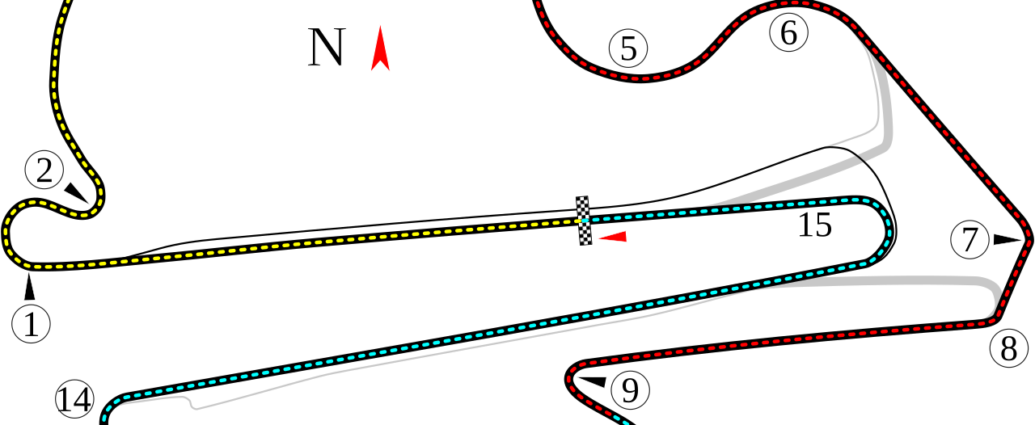
The Bahrain GP investigation has been launched following chaos surrounding the power units during the race. This inquiry aims to uncover the underlying issues that led to the disruptions.
Overview of the Bahrain GP investigation
The recent Bahrain GP investigation has uncovered significant issues surrounding the power units used during the race. Following a chaotic event, the FIA launched a comprehensive inquiry to determine the root causes of the failures that plagued several teams. Multiple drivers reported technical difficulties, leading to a series of retirements that disrupted the competition.
As part of the investigation, the FIA is examining various factors, including:
- The reliability of the power units
- The quality of the materials used in their construction
- Team compliance with technical regulations
This inquiry aims to ensure that such chaos does not occur in future races, preserving the integrity of the sport. The findings of the Bahrain GP investigation are anticipated to bring about crucial changes in the way power units are monitored and regulated in Formula 1.
What led to the power unit chaos?
The Bahrain GP investigation has unveiled a series of factors that contributed to the chaos surrounding the power units during the race. Several teams reported significant issues that hampered their performance, leading to a ripple effect throughout the grid.
Key elements that led to the turmoil include:
- Technical Failures: Multiple power units experienced malfunctions, raising concerns over reliability.
- Pit Stop Errors: Inconsistent communication and coordination during pit stops exacerbated the situation.
- Regulatory Ambiguities: Confusion surrounding the rules regarding power unit usage contributed to the chaos.
- Weather Conditions: Unpredictable weather played a role, complicating teams’ strategies.
As the FIA continues its investigation, teams are hopeful for clarity and solutions to prevent future incidents like those witnessed at the Bahrain GP.
FIA’s role in the investigation
The FIA’s role in the Bahrain GP investigation has been pivotal in understanding the recent chaos surrounding power units. Following the unexpected failures during the race, the FIA announced a comprehensive review aimed at identifying the root causes of the issues faced by multiple teams.
Key points regarding the FIA’s involvement include:
- Assessment of Data: The FIA is analyzing telemetry data from the affected vehicles to pinpoint the exact moments when power unit failures occurred.
- Collaboration with Teams: The governing body is working closely with teams to gather insights and feedback on their experiences during the race.
- Future Regulations: The outcome of the Bahrain GP investigation may lead to changes in regulations to enhance the reliability of power units in future races.
With the investigation underway, teams and fans alike await clarity on the implications for the championship.
Reactions from drivers and teams
Following the recent Bahrain GP investigation, reactions from drivers and teams have been pouring in, highlighting the chaos surrounding the power units. Many drivers expressed their frustration over the lack of clarity and communication from their teams and the FIA.
- Lewis Hamilton stated, “The situation was confusing. We need to ensure that such chaos does not happen again.”
- Max Verstappen added, “It’s critical that we have reliable power units. Safety must come first.”
- Team principals echoed these sentiments, calling for a thorough review of the incident to prevent future occurrences.
- Some teams have also expressed their concerns about the transparency of the FIA’s investigation procedures.
As the Bahrain GP investigation continues, the motorsport community watches closely, hoping for swift resolutions and improved safety standards.
Implications for future races
The findings from the Bahrain GP investigation have significant implications for future races in the Formula 1 calendar. With the chaos surrounding the power units exposed, teams may need to reassess their technical strategies and reliability measures moving forward.
Experts believe that this investigation could prompt the FIA to implement stricter regulations concerning power unit performance and monitoring. This could lead to a re-evaluation of current testing protocols, ensuring that all units meet stringent safety and efficiency standards before being allowed to race.
Moreover, the repercussions of the Bahrain GP investigation may affect the balance of competition among teams. As some teams adapt more swiftly to the new regulations, others could find themselves at a disadvantage, impacting overall championship standings.
In light of these developments, the motorsport community will be closely watching how these changes unfold in the upcoming races.
Historical context of power unit issues
The historical context surrounding power unit issues in Formula 1 has been shaped by numerous incidents and technological advancements over the years. In the wake of the Bahrain GP investigation, it becomes evident that the challenges teams face are not new. Power units have evolved significantly since the introduction of hybrid technology, yet reliability remains a critical concern.
During previous seasons, teams often struggled with overheating, fuel efficiency, and software glitches. These issues have led to several high-profile retirements and race disruptions. Notably, the 2020 season saw multiple teams grappling with similar reliability problems, prompting the FIA to implement stricter regulations.
As the Bahrain GP investigation unfolds, it highlights the ongoing struggle within the sport to balance performance with reliability, raising questions about the future sustainability of power units in Formula 1.
Expert opinions on the investigation
Experts in motorsport have weighed in on the Bahrain GP investigation, emphasizing the need for a thorough analysis of the power unit failures that plagued the event. Dr. Sarah Al-Mansoori, a renowned automotive engineer, stated, “This investigation is crucial to understanding the systemic issues within the power units. It’s not just about fixing the immediate problems; it’s about ensuring long-term reliability.”
Meanwhile, Mark Thompson, a former F1 team principal, noted that the chaos could have been mitigated with better communication among teams and the FIA. “The Bahrain GP investigation highlights a gap in regulatory processes that must be addressed to prevent similar occurrences.”
Additionally, Javier Lopez, a motorsport analyst, pointed out, “The repercussions of this investigation could reshape how power units are regulated, impacting teams and manufacturers significantly.”
Overall, the consensus is clear: reform is necessary for the future of the sport.
Next steps for the FIA and teams
As the Bahrain GP investigation unfolds, the FIA is set to implement a series of next steps aimed at addressing the identified issues. These actions will involve a thorough review of the power units that caused significant disruptions during the race.
The FIA plans to hold meetings with all teams to discuss the findings and collaborate on solutions. Key areas of focus will include:
- Enhanced regulations: Reevaluating power unit specifications to ensure compliance and reliability.
- Data sharing: Encouraging teams to share performance data to better understand potential failures.
- Future investigations: Establishing a framework for ongoing monitoring of power units across upcoming races.
Ultimately, the Bahrain GP investigation aims to foster a safer and more competitive environment in Formula 1, preventing similar chaos in future events.
via Wikimedia Commons