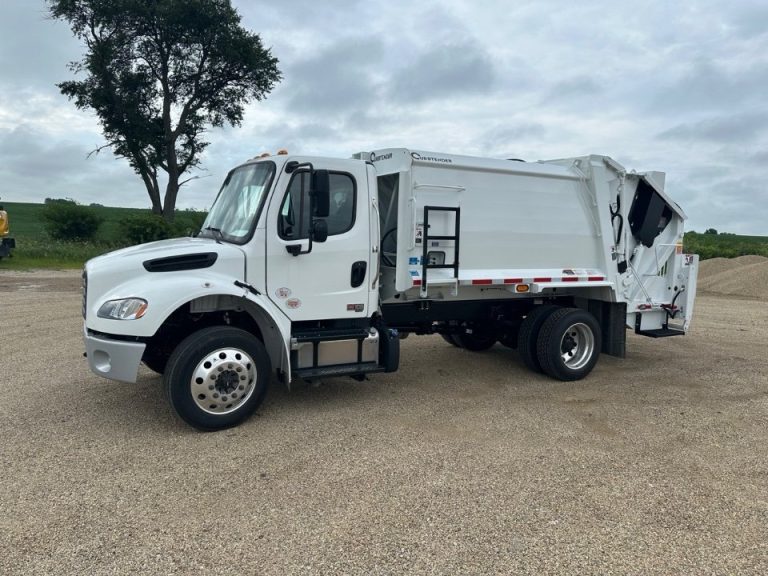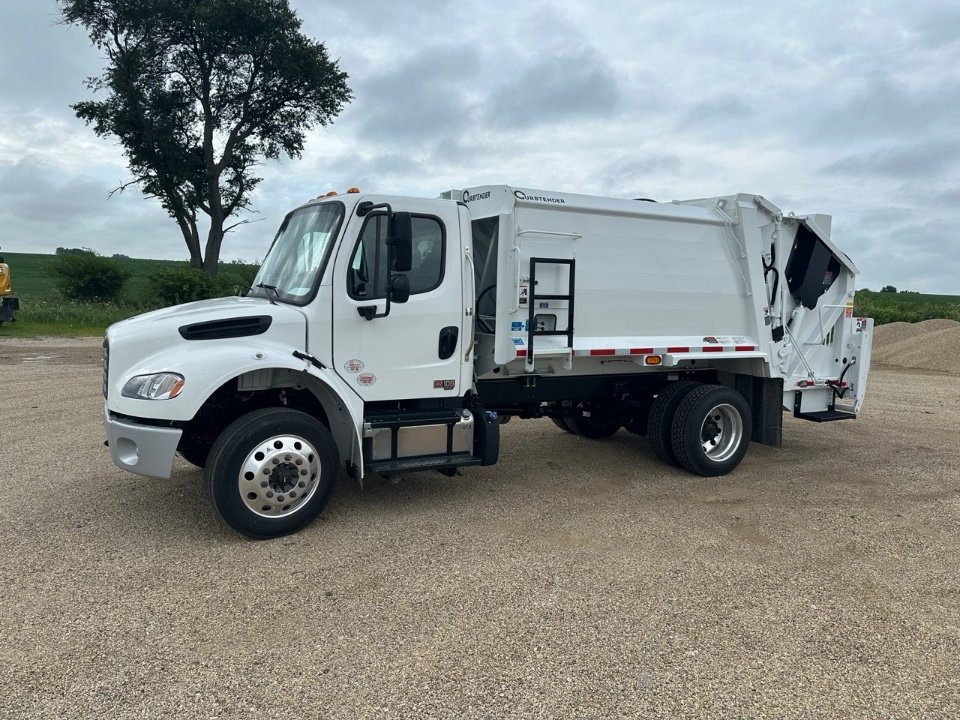
Efficient waste collection is essential for municipalities and private waste management companies, and one key factor in achieving efficiency is the rear loader compaction ratio. Understanding how compaction works and how it affects truck performance, capacity, and cost can help fleet managers make informed decisions when choosing garbage trucks. Trusted manufacturers like Atlantic Heavy Duty design rear loader trucks with optimized compaction systems that deliver consistent, high-performance results. In this article, we explain the rear loader compaction ratio in simple terms and explore why it matters for waste collection operations.
What Is Compaction in Rear Loaders?
Compaction is the process of compressing waste inside the truck’s body to reduce its volume. Rear loader trucks are equipped with hydraulic packer blades that push and compress trash as it is loaded from the rear hopper. By compacting the waste, the truck can carry more material per trip, reducing the number of trips required to reach a landfill or transfer station.
Atlantic Heavy Duty rear loaders are engineered with durable compaction systems designed to maintain consistent pressure throughout each loading cycle. This ensures that waste is thoroughly compressed without damaging the truck’s body or hydraulic components. Compaction not only maximizes capacity but also improves route efficiency and reduces fuel consumption.
Understanding the Compaction Ratio
The compaction ratio is a numerical measure of how much the volume of waste is reduced by the truck’s compaction system. For example, a compaction ratio of 4:1 means that four cubic meters of loose waste are compressed to fit into one cubic meter of truck body space. A higher compaction ratio indicates stronger compression and the ability to carry more waste per trip.
Rear loader trucks with higher compaction ratios can reduce the number of trips required during a collection route, saving fuel, time, and labor costs. Atlantic Heavy Duty rear loaders feature advanced packer blade designs and hydraulic systems that provide consistent compaction ratios, even under heavy load conditions. This reliability is critical for municipal and commercial fleets operating on tight schedules.
How Compaction Ratio Impacts Efficiency
A higher compaction ratio directly affects the efficiency of a rear loader truck in several ways. First, it increases payload capacity, allowing the truck to carry more waste without increasing the number of trips. Second, it reduces fuel consumption and emissions, as fewer trips mean less engine operation. Third, it minimizes wear on roads and reduces overall operational costs for fleets.
Atlantic Heavy Duty rear loaders are designed to balance high compaction ratios with safety and reliability. Overly aggressive compaction can strain hydraulic systems or damage the truck body, but Atlantic Heavy Duty models achieve optimal compression without compromising longevity or performance.
Factors That Affect Rear Loader Compaction
Several factors influence the compaction ratio of a rear loader truck. The type of waste is one of the most significant variables. Loose, lightweight waste compresses more easily, while bulky or wet materials may resist compaction. Proper loading technique also plays a role — distributing waste evenly across the hopper and packer blade ensures effective compression.
The design and maintenance of the truck’s hydraulic and compaction systems are equally important. Atlantic Heavy Duty rear loaders incorporate durable, serviceable hydraulics and reinforced packer blades that maintain consistent pressure. Regular maintenance, including checking hydraulic fluid levels, inspecting hoses, and servicing the packer assembly, ensures that compaction ratios remain optimal over the truck’s lifespan.
Compaction Ratio and Environmental Impact
Higher compaction ratios contribute to environmental sustainability. By transporting more waste per trip, rear loader trucks reduce the number of trips required to disposal sites, leading to lower fuel consumption and reduced greenhouse gas emissions. Noise pollution is also minimized because the truck spends less time operating during each route.
Atlantic Heavy Duty rear loaders are built with energy-efficient hydraulic systems and robust compaction technology, helping municipalities achieve environmental goals while maintaining high operational performance. Electric or hybrid models further enhance these benefits by eliminating tailpipe emissions entirely, combining high compaction with eco-friendly operation.
Choosing the Right Compaction Ratio
When selecting a rear loader, fleet managers must consider the typical waste stream, route length, and disposal site distance to determine the ideal compaction ratio. High-density urban areas with frequent collection points may not require extremely high ratios, while routes with large volumes of residential or commercial waste benefit from stronger compaction.
Atlantic Heavy Duty offers rear loader models with varying compaction capabilities, allowing operators to match truck performance to specific operational needs. This flexibility ensures that fleets can optimize efficiency, reduce costs, and maintain consistent service without overloading trucks or stressing hydraulic systems.
Maintenance Tips to Preserve Compaction Performance
Maintaining a high compaction ratio requires regular inspection and servicing. Operators should monitor hydraulic pressure, inspect packer blades for wear, and lubricate moving components. Checking the body for structural damage and ensuring tailgate seals are intact prevents material leakage and maintains consistent compression.
Atlantic Heavy Duty rear loaders are designed for easy maintenance, with accessible hydraulic lines and service points that simplify routine checks. Following manufacturer-recommended maintenance schedules ensures that the compaction ratio remains consistent, extending the truck’s lifespan and keeping operations efficient.
Final Thoughts
The rear loader compaction ratio is a key factor in the efficiency, capacity, and environmental impact of waste collection trucks. Understanding how compaction works and selecting the right truck can significantly improve fleet productivity and reduce operational costs
About the Author